


How much stone do I need?
How much stone do I need for the ground?
For pebbles and gravel:
• ±80 kg per m², based on a 5 cm layer.*For grain sizes >32 mm a thicker layer is required.• Consumption per big bag: 1000 kg = 0.625 m³.
• Coverage: ±12.5 m² with a 5 cm layer.
For pine bark:
• ±70 L per m², based on a 5 cm layer.
• Consumption per big bag: 1000 L = ±1 m³ = ±600 kg
• Coverage: ±14 m² with a 5 cm layer.
For volcanic rock, slate and chamotte:
• ±50 kg per m², based on a 5 cm layer.
• Consumption per big bag: 1000 kg = ±1 m³
• Coverage: ±20 m² with a 5 cm layer
How much stone do I need to fill a gabion?
Density of ±1,650 kg per m³.
The calculation is easy to understand with an example: for a gabion measuring 100x50x30 cm, do the following:
1x0.5x0.3 = 0.15 m³
0.15x1,650 = 247.50 kg of stone.
*It is always a good idea to allow 5% extra, as gabions widen slightly when filled and always take a little more stone than the theoretical calculation.
Please note!
PLEASE NOTE! Before buying, read this information about gravel and pebbles
Grain sizes are sieve sizes, not exact measurements
When we talk about stone of, for example, 60-80 mm, we mean that the stones pass through an 80x80 mm square mesh and do not pass through a 60x60 mm one. A stone 100 mm long and 65 mm wide can easily pass through that 80x80 mesh, because the mesh sorts by the width of the stone as it passes through, not by its total length. That is why it is normal for a percentage of stones to have some dimension above 80 mm or below 60 mm.
Machines do not sort 100% accurately
In addition, no industrial sorting process is perfect: there is always a small percentage of stone which, due to speed, irregular shape or pieces overlapping on the belt, does not pass correctly through the corresponding mesh and slips into the grade, so stones larger than stated may occasionally appear. This is normal for this type of product and is not considered a defect.
Breakage of pebbles
In pebbles over 60 mm, up to 10% of the stones may break during sorting, washing, loading and unloading. We currently have no machinery that completely prevents this breakage. The product photos show only real pieces: broken pieces have not been removed.
Dust and sand in the product
This product is not washed, so it contains dust, sand and even traces of other materials from processing and transport. This is no problem for its use: the stone washes itself over time, or you can rinse it with water before use if you prefer.
Colour can vary considerably between batches
This is natural stone, and the colour changes from one batch to another, sometimes noticeably. This is especially important for multi-toned stones such as Blanco Rosa: some batches come out very white and others very pink, within the same product. If the exact shade is very important for your project, we recommend not buying this type of product online, as we cannot guarantee that the batch you receive will match the photo or a previous purchase.
Returns
Please bear in mind that returns, especially of 1,000 kg big bags, are usually complicated and expensive because of the weight and volume of the material. If the return is not due to an error on our part, the costs and arrangement of the return transport are borne by the customer.
Yellow Gravel Saturn
Yellow Gravel Saturn: Durability and Classic Style for Your GardenThe Yellow Gravel Saturn stands out for its soft tone and great resistance, offering an economical and highly durable solution for any type of gardening project. This stone, with an ideal size of 12-20 mm, is perfect for gravel stabilizers, ensuring a stable and long-lasting finish.
Versatility and Adaptability
With its classic yellow color, the Yellow Gravel Saturn fits perfectly into any garden style, whether rustic, modern, or classic. It is the ideal choice for plant areas and tree pits, where its certain degree of porosity helps maintain the essential moisture for healthy vegetation growth.
Functionality and Comfort
This gravel is not only attractive but also functional. Its size and shape are ideal for creating comfortable and stable paths that remain unchanged over time. The granulation of 12-20 mm adapts perfectly to systems like the Flexible Gravel Stabilizer, filling it efficiently and contributing to a safe and pleasant walking environment.
Quality and Economy
The Yellow Gravel Saturn is an economical option that does not compromise on quality. Its resistance and hardness ensure that the appearance of the gravel remains constant over time, offering a quality solution at an accessible price for any garden.
Add a natural and timeless touch to your outdoor space with the Yellow Gravel Saturn. Discover how this product can be the perfect foundation for your gardening projects.
M
Sinceramente me he sentido asesorada pq tenía dudas sobre que elegir. Por whatsapp la persona que me ha atendido maravillosa. El pedido llegó rápido dado el volumen de la carga. Vuelvo a repetir pedido y recomiendo comprar en esta casa.
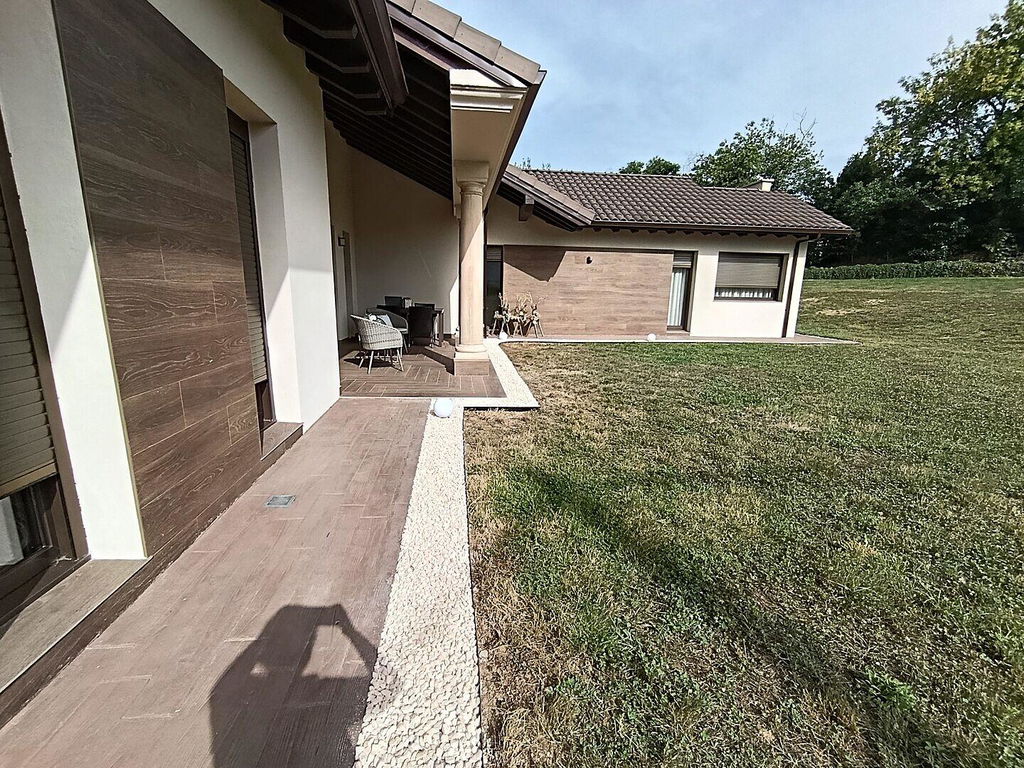
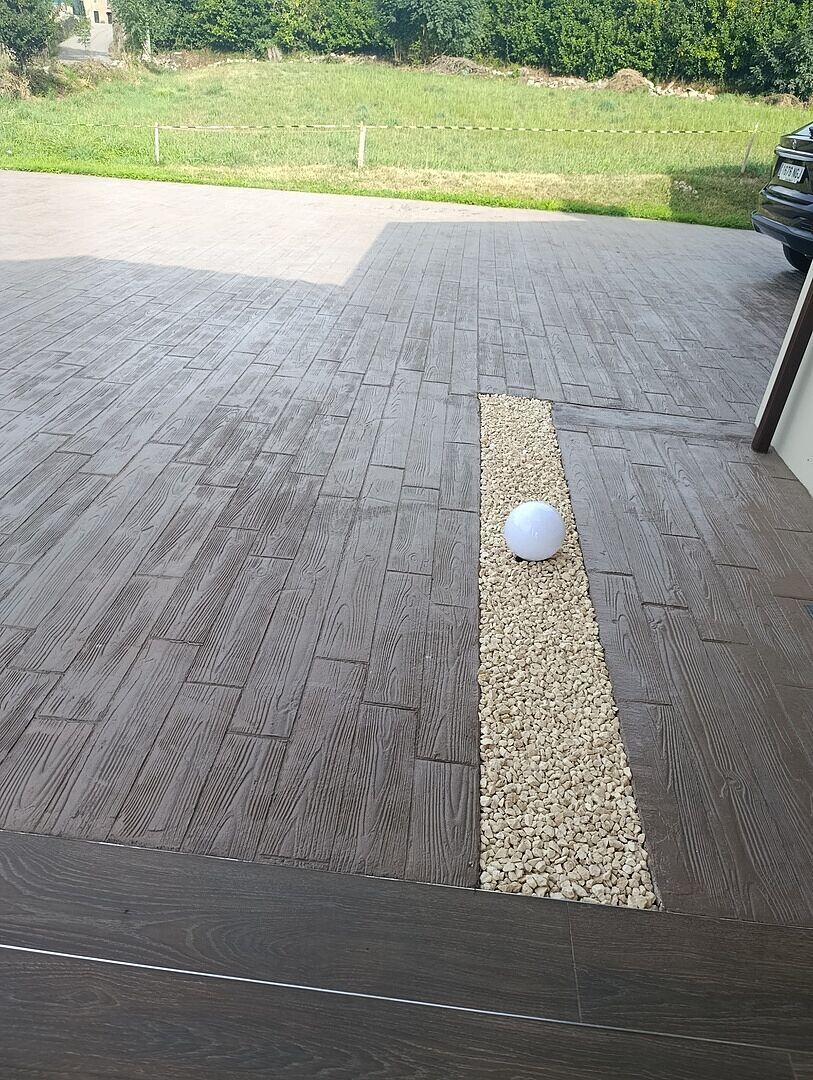
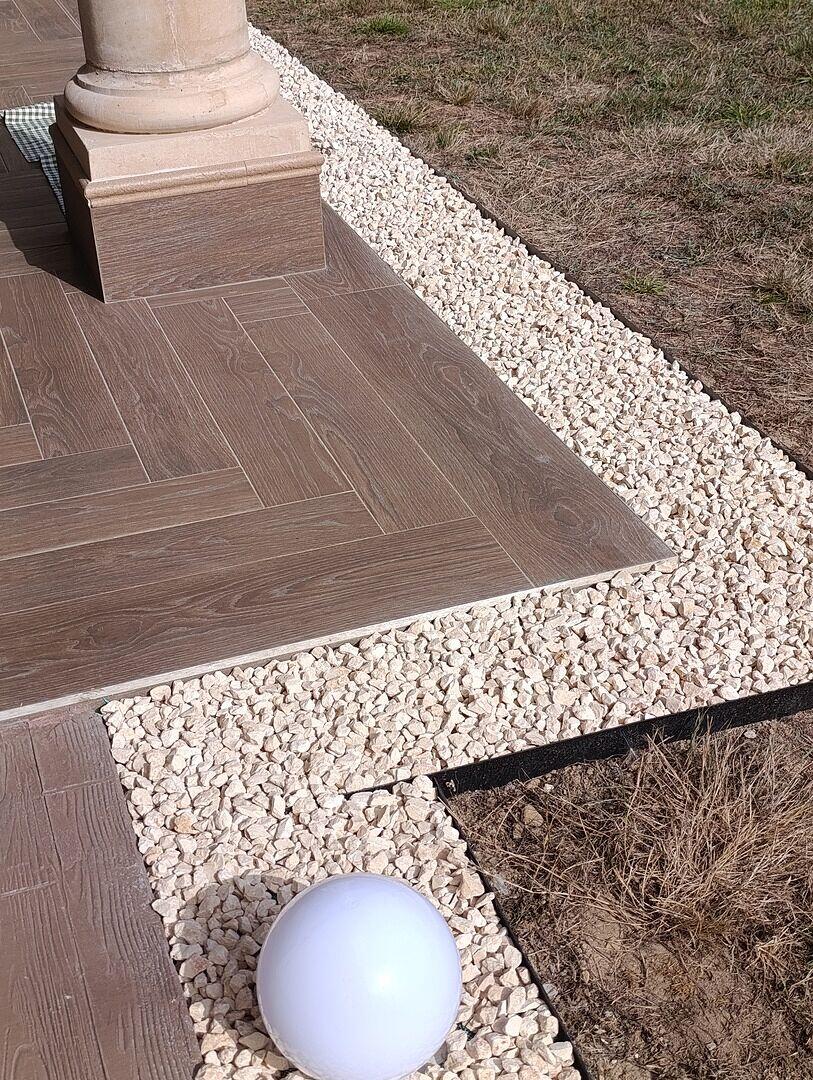
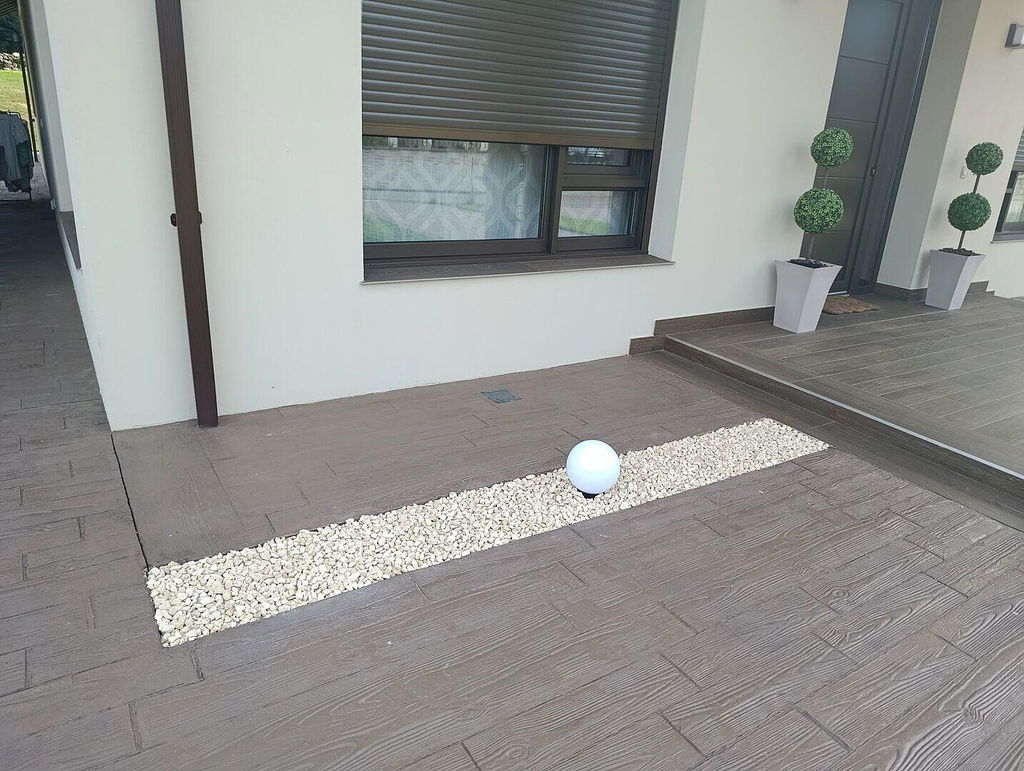
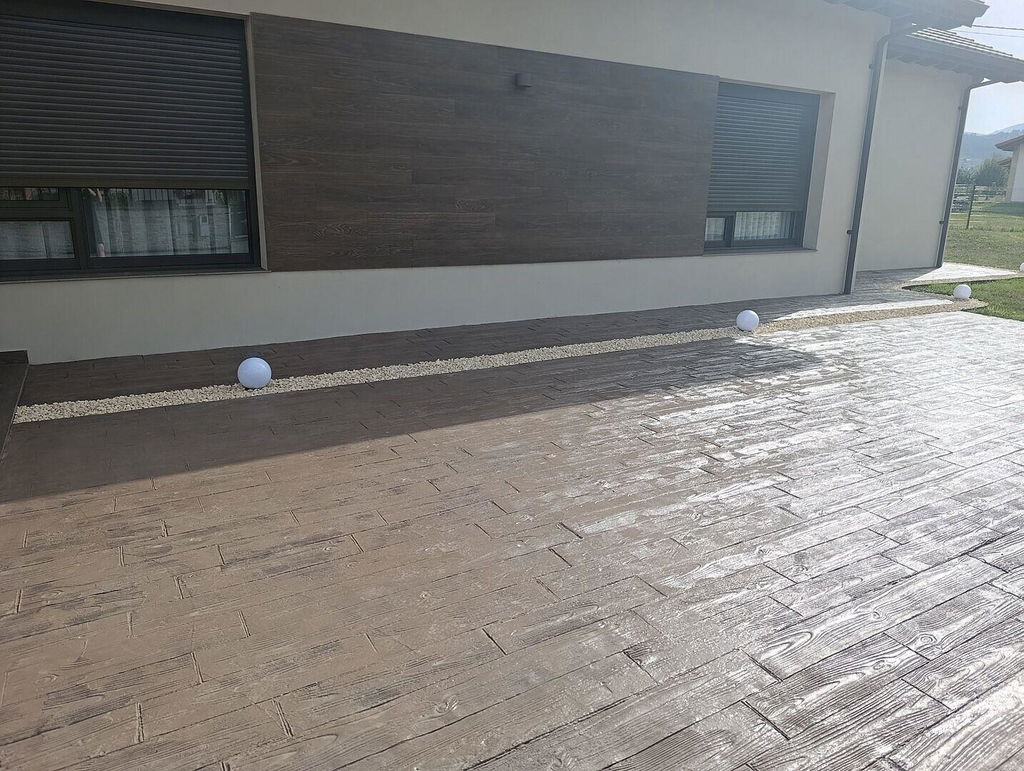
Estimada cliente:
¡Muchísimas gracias por compartir su experiencia y por sus amables palabras!
Nos alegra enormemente saber que nuestro equipo de atención por WhatsApp pudo asesorarle y resolver todas sus dudas, y que la gestión del envío cumpliera con sus expectativas a pesar del volumen de la carga.
Además, queremos agradecerle de corazón que nos haya compartido las fotos de su proyecto: ¡le ha quedado verdaderamente espectacular! Nos llena de orgullo ver el resultado final y saber que nuestros productos forman parte de él.
Es un auténtico placer contar de nuevo con su confianza para su próximo pedido. Quedamos a su entera disposición para lo que necesite.
Atentamente,
El equipo de Vetonek.com
V
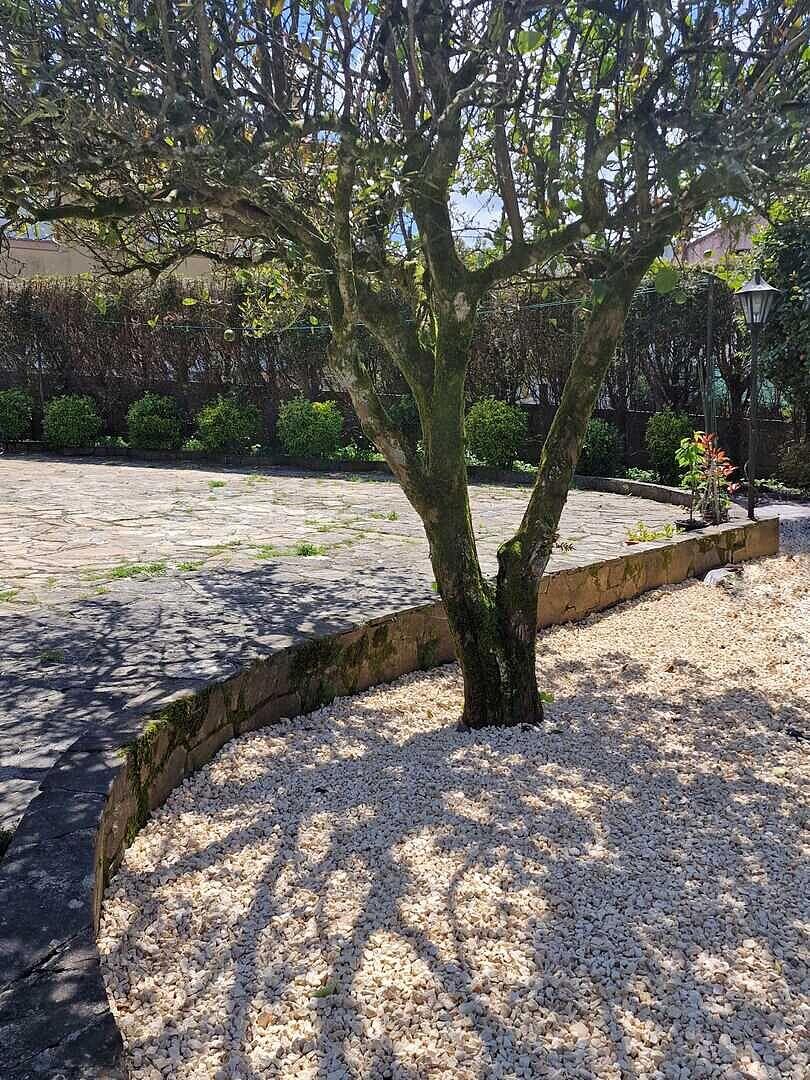
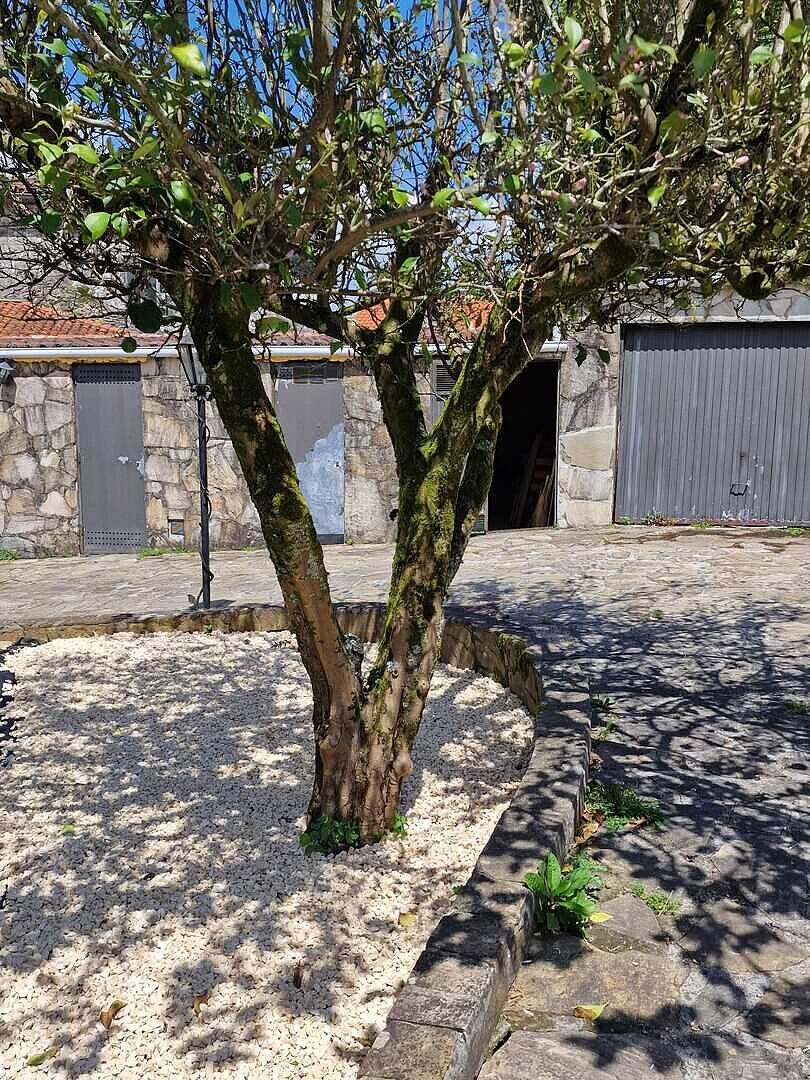
Muy buena experiencia, también en el proceso de entrega. Muy contentos con el resultado, cubre adecuadamente y visualmente queda muy bonito.
M
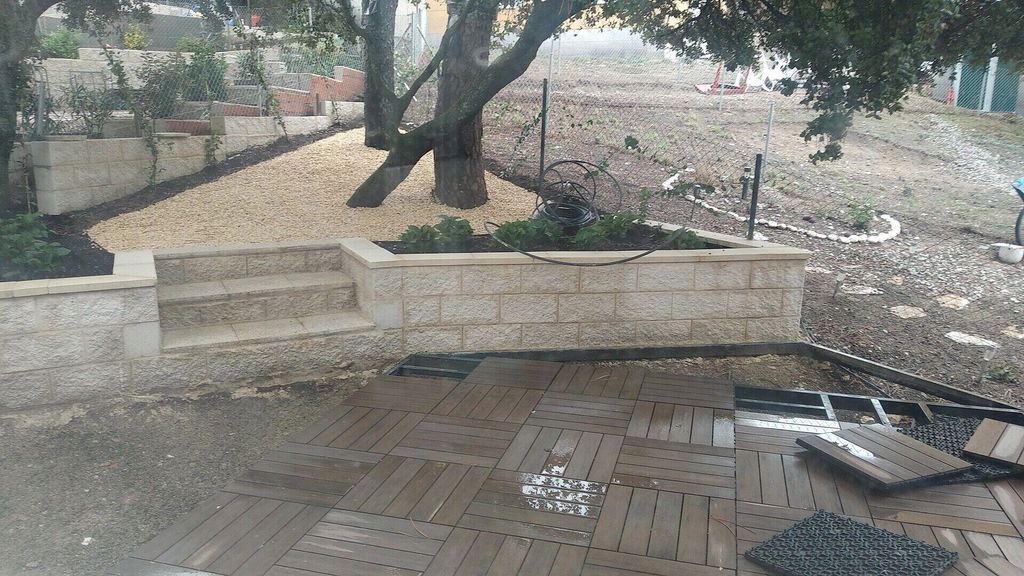
Calidad - como se esperaba. Precio- para el comprador siempre es elevado... Lo unico , el transporte es con traspalet...para el vilumen/peso que lleva es la peor solucion...
¡Hola!
Muchas gracias por tomarte el tiempo de dejar tu reseña. Nos alegra saber que la calidad del producto ha sido de tu agrado.
Respecto al transporte, entendemos que puede no ser la solución ideal para todos. Sin embargo, queremos recordarte que el uso de plataforma de descarga y transpaleta fue acordado antes de la compra, y es una opción que nos permite mantener los costos de envío más accesibles. Otras alternativas de transporte suelen ser significativamente más caras.
Agradecemos tu comprensión y tus comentarios, ya que nos ayudan a mejorar. Si tienes más preguntas o necesitas asistencia, no dudes en contactarnos. ¡Estamos aquí para ayudarte!
M
Calidad - como se esperaba. Precio- para el comprador siempre es elevado... Lo unico , el transporte es con traspalet...para el vilumen/peso que lleva es la peor solucion...
¡Hola!
Muchas gracias por tomarte el tiempo de dejar tu reseña. Nos alegra saber que la calidad del producto ha sido de tu agrado.
Respecto al transporte, entendemos que puede no ser la solución ideal para todos. Sin embargo, queremos recordarte que el uso de plataforma de descarga y transpaleta fue acordado antes de la compra, y es una opción que nos permite mantener los costos de envío más accesibles. Otras alternativas de transporte suelen ser significativamente más caras.
Agradecemos tu comprensión y tus comentarios, ya que nos ayudan a mejorar. Si tienes más preguntas o necesitas asistencia, no dudes en contactarnos. ¡Estamos aquí para ayudarte!
A
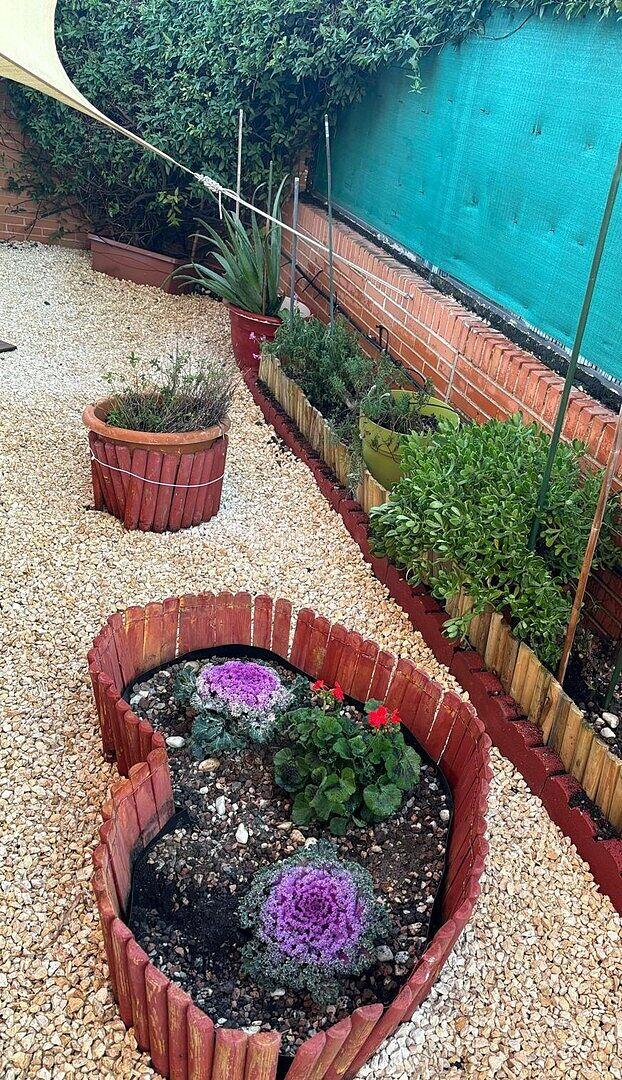
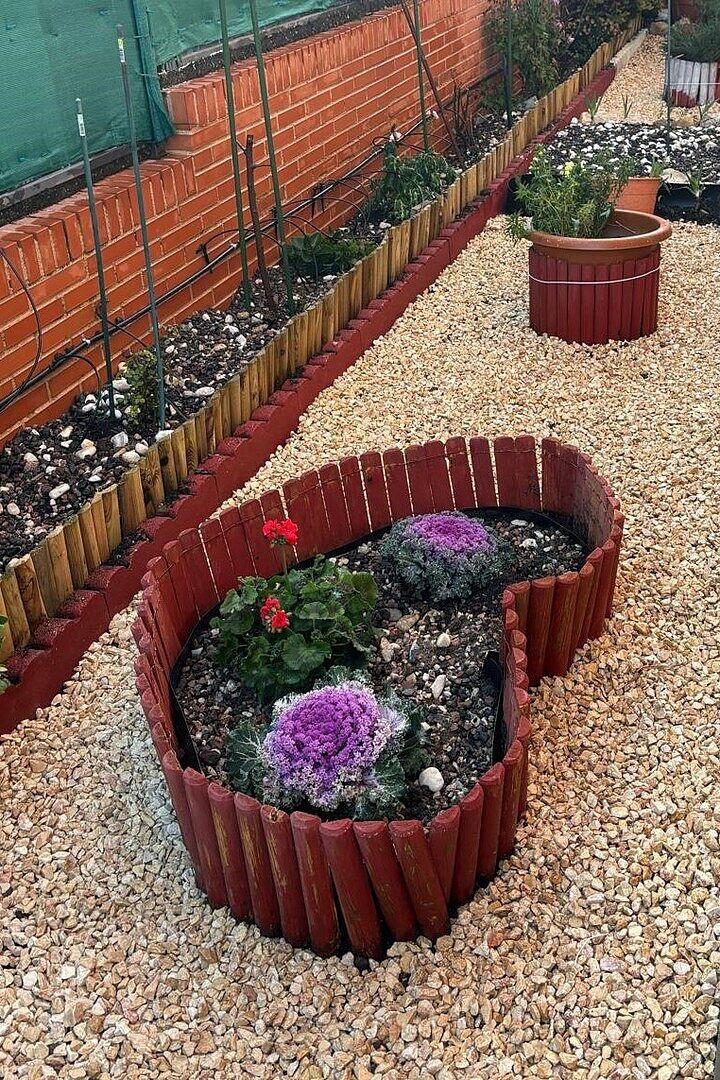
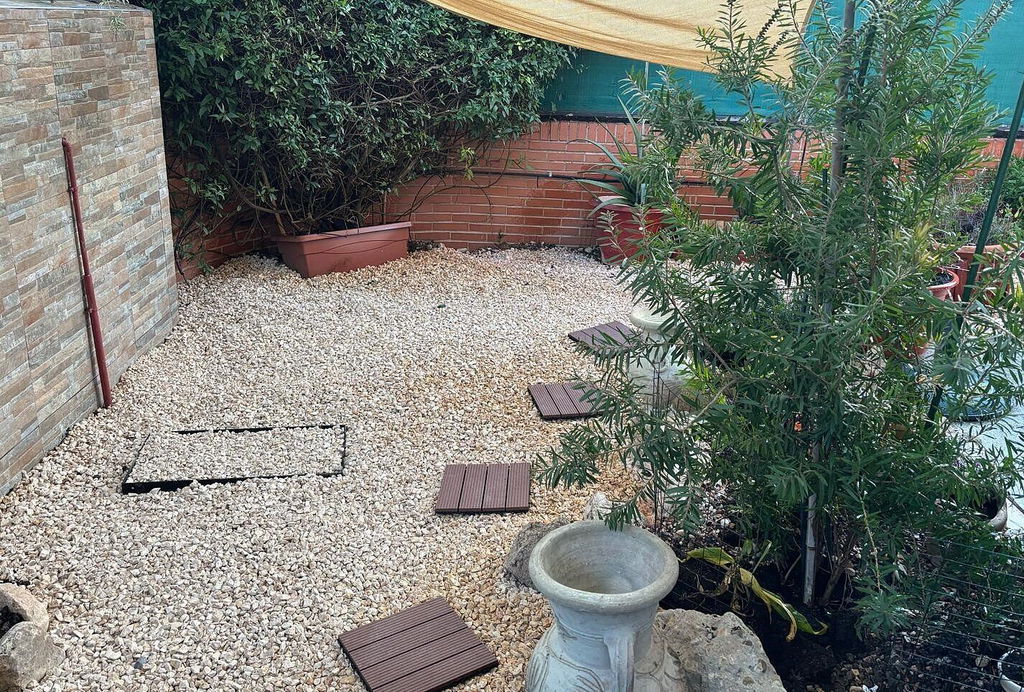
Recomendamos la grava amarilla Saturno y el servicio de venta y postventa de Vetonek.
A
Recomendamos la grava amarilla Saturno y el servicio de venta y postventa de Vetonek.
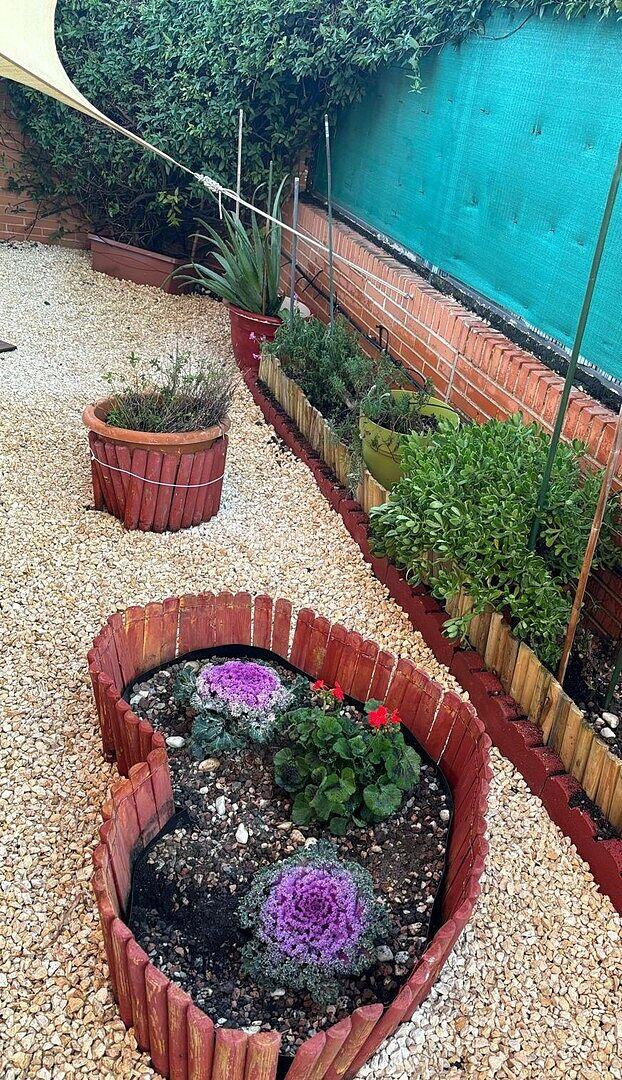
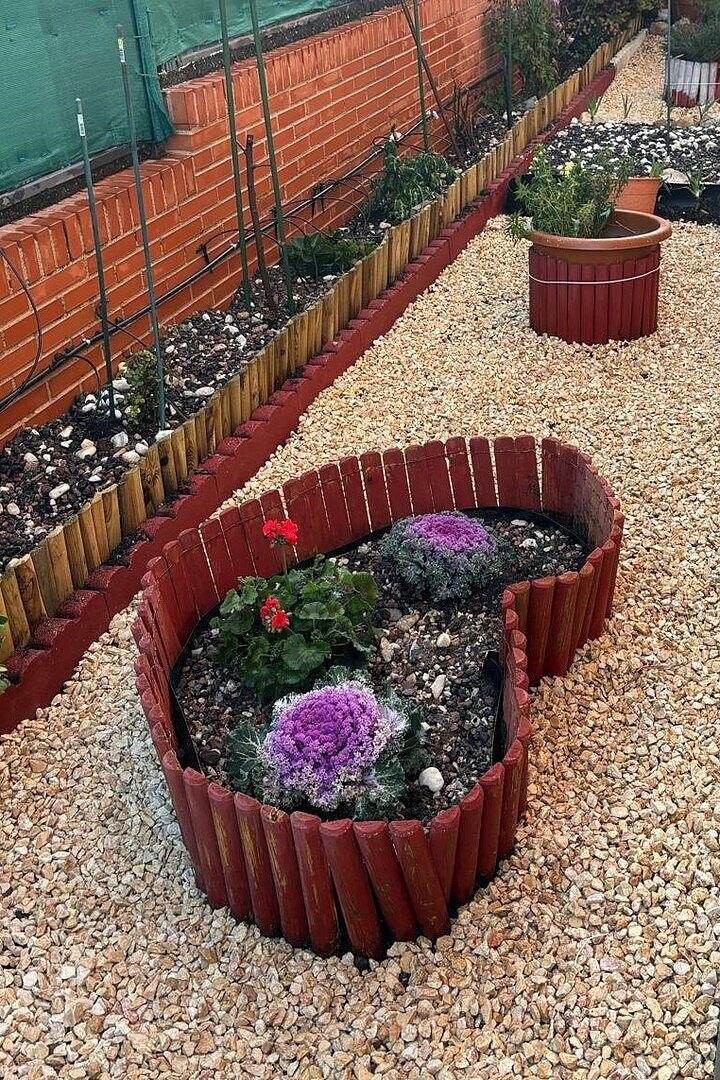
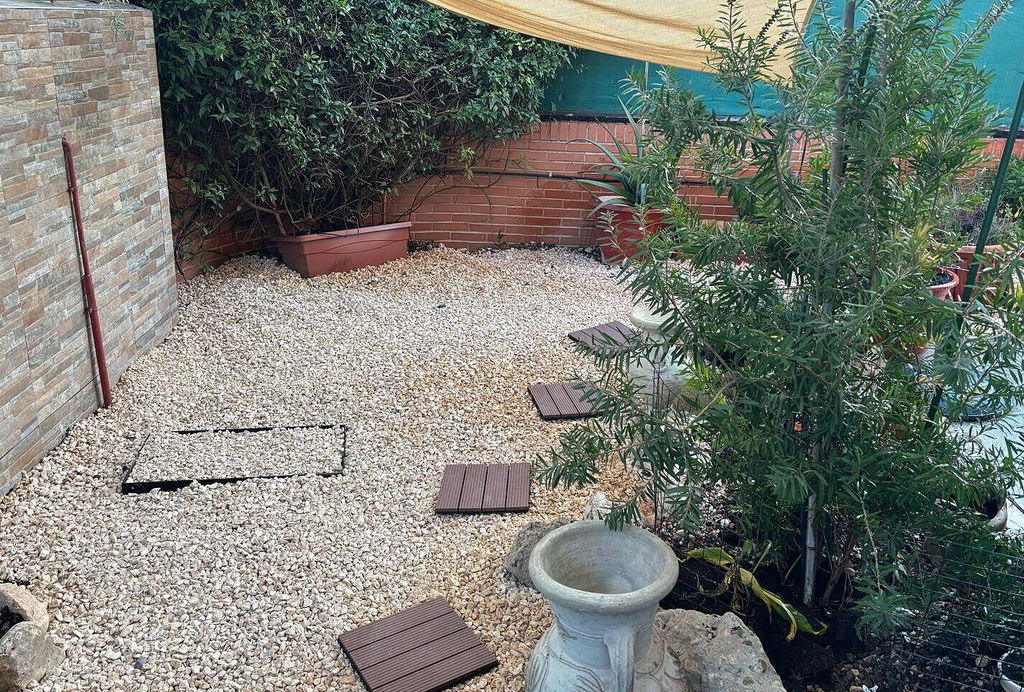
J
Ha quedado genial
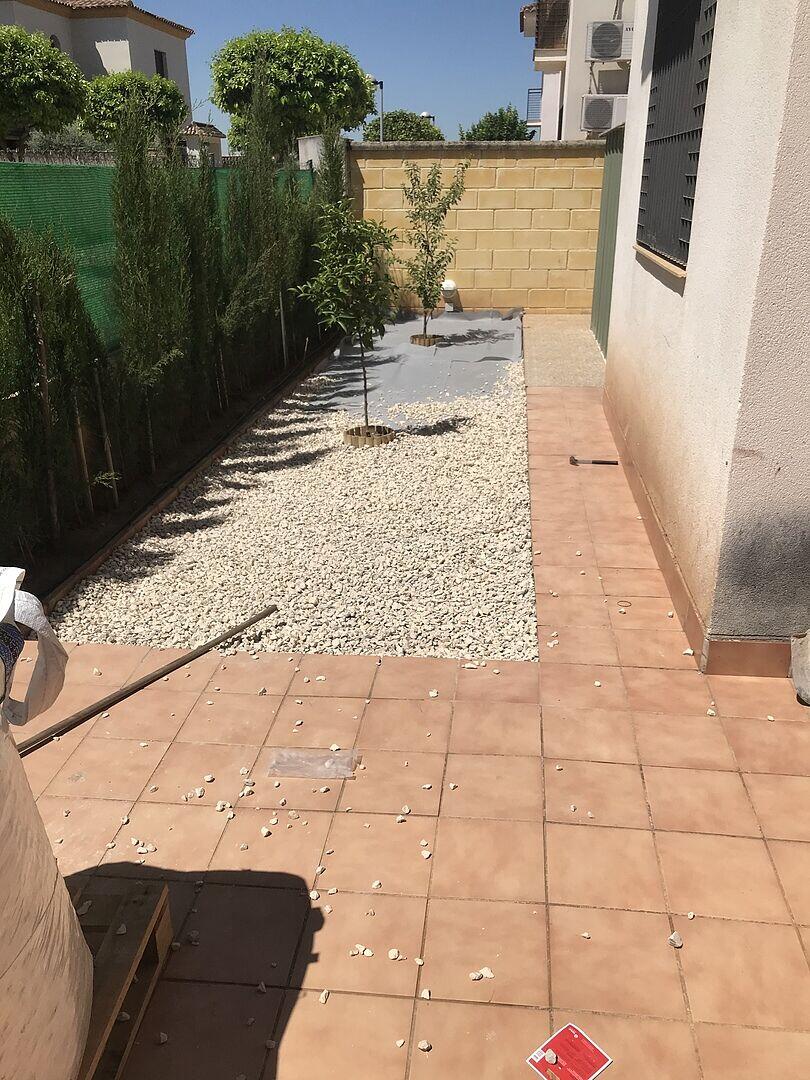
J
Ha quedado genial
M
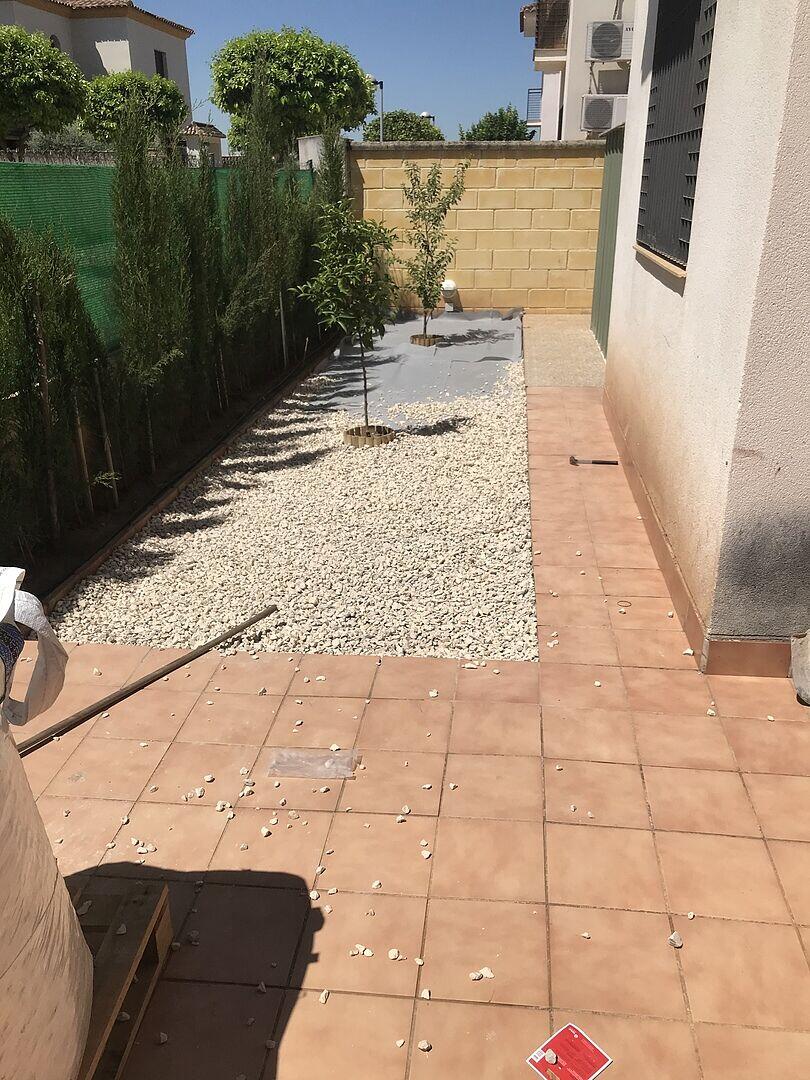
la grava es bonita y queda muy bien. No pongo mejor puntaje por que hay granos muy grandes y me obliga a cribar a mano dos sacas, he pedido de 3-6 mm, y aunque es un proporción baja hay granos de mas de 8, 10 y 12 inclusive, que siempre quedan arriban por la propia física.
M
Genial
J
Hubo un problema con el transporte. El día que habíamos quedado no vinieron y tuve que reclamar. La grava vino correctamente, pero contenía restos de plástico, como el de la saca, triturados.
V
Muy buena experiencia, también en el proceso de entrega. Muy contentos con el resultado, cubre adecuadamente y visualmente queda muy bonito.
M
Muy bien
M
Muy bien
A
Fabulosa
A
Fabulosa
M
Llego muy rápido y avisaron antes. Genial el envío y la piedra recibida. Un 10!
M
Llego muy rápido y avisaron antes. Genial el envío y la piedra recibida. Un 10!
M
Buena calidad relación precio
M
Buena calidad relación precio
M
Es un producto genial y la entrega rapidísima,tan rápida que olvidaron avisar...por lo demás todo genial.maite.
M
Es un producto genial y la entrega rapidísima,tan rápida que olvidaron avisar...por lo demás todo genial.maite.
Frequently asked questions about gravel, pebbles and decorative stone
¿Qué la hace tan versátil?
Su amarillo clásico y suave encaja en jardines rústicos, modernos y clásicos por igual, con una excelente relación calidad-precio.
¿Sirve para estabilizadores de grava?
Sí, la medida 12-20 mm es la ideal para paneles estabilizadores, con acabado estable y duradero.
¿Vale para zonas de plantas?
Sí, es muy usada en alcorques y zonas de plantas gracias a su ligero grado de absorción.
¿Cuánta cantidad necesito por metro cuadrado?
Calcula unos 80 kg por m² para una capa de 5 cm: un saco de 20 kg cubre aproximadamente 0,25 m² y un big bag de 1.000 kg, unos 12,5 m². En granulometrías gruesas conviene una capa algo mayor.
¿Qué granulometría elijo?
Hay 5 medidas: 12-20 mm, 6-12 mm, 16-32 mm, 32-60 mm, 3-6 mm. Para zonas de paso y estabilizadores de grava elige la más fina; las medias decoran parterres y alcorques, y las gruesas son puramente decorativas o para gaviones, no para pisar.
¿En qué formatos se vende?
En Saco 20 kg, Big bag 500 kg, Big bag 1.000 kg. El transporte te deja el palet o big bag en la puerta de casa.
¿Hace falta malla antihierbas debajo?
Sí, muy recomendable: una malla o geotextil antihierbas bajo la piedra evita que salgan malas hierbas y facilita el mantenimiento durante años.