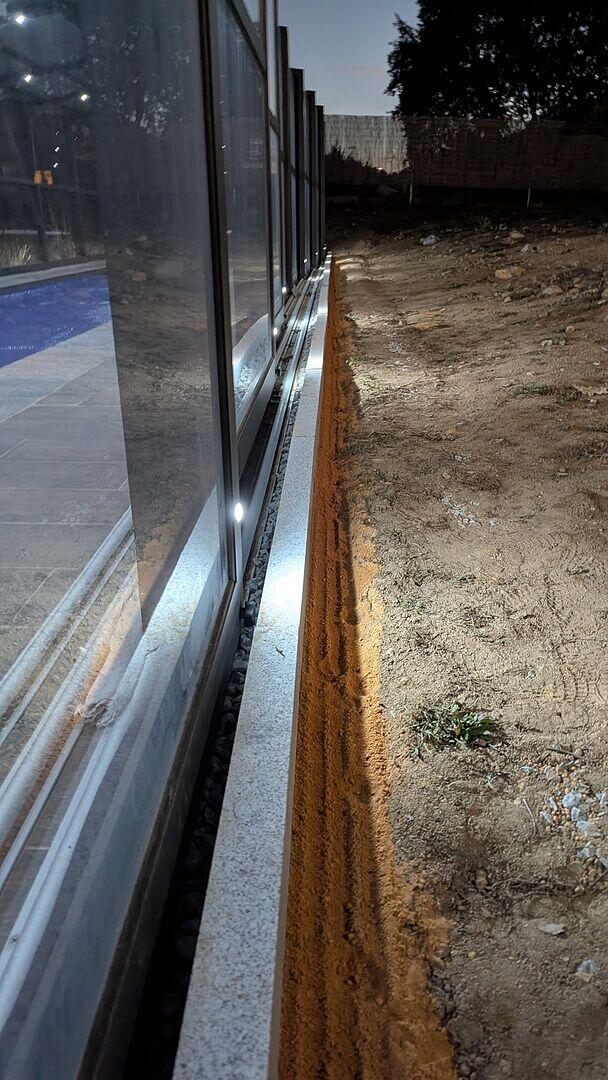
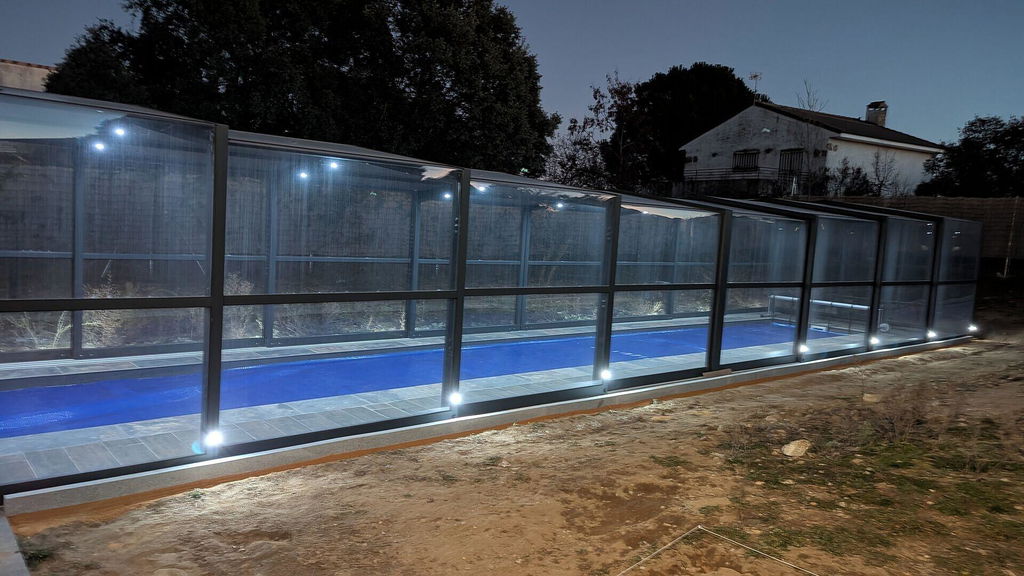
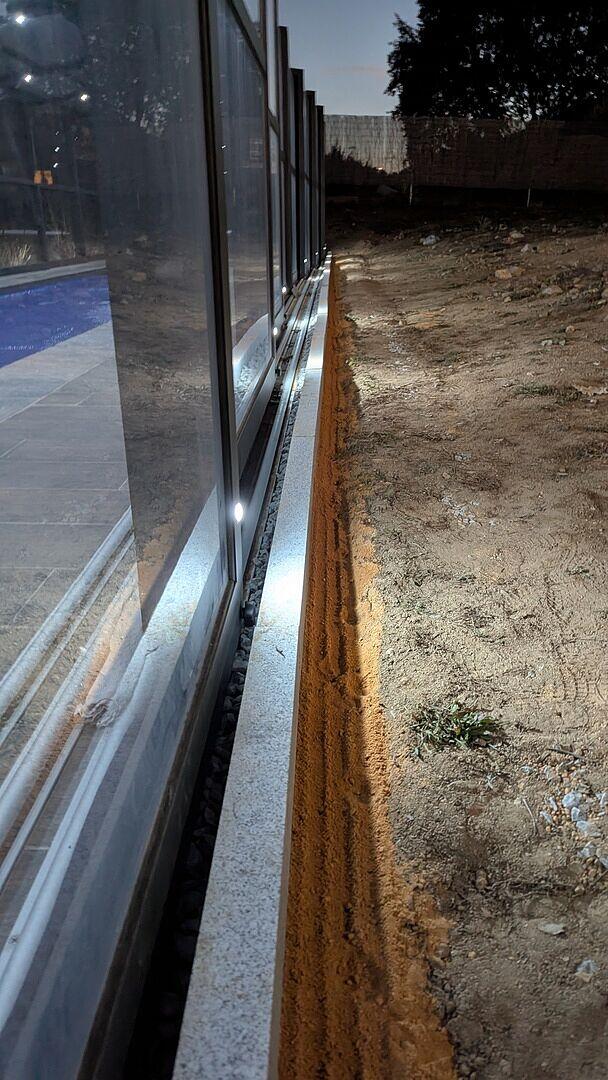
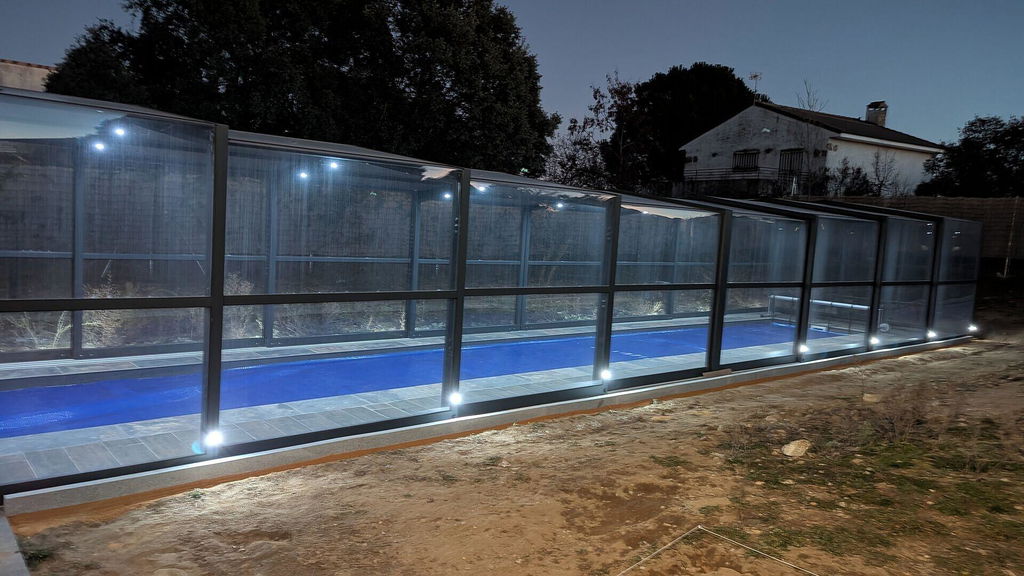
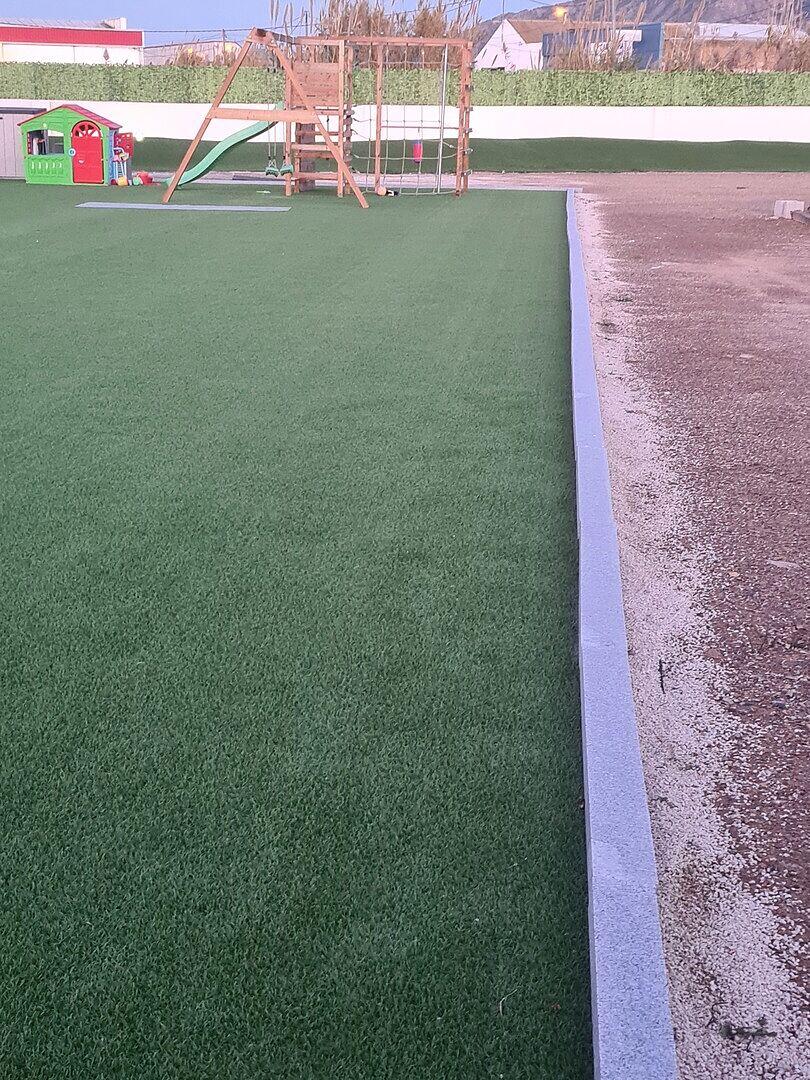
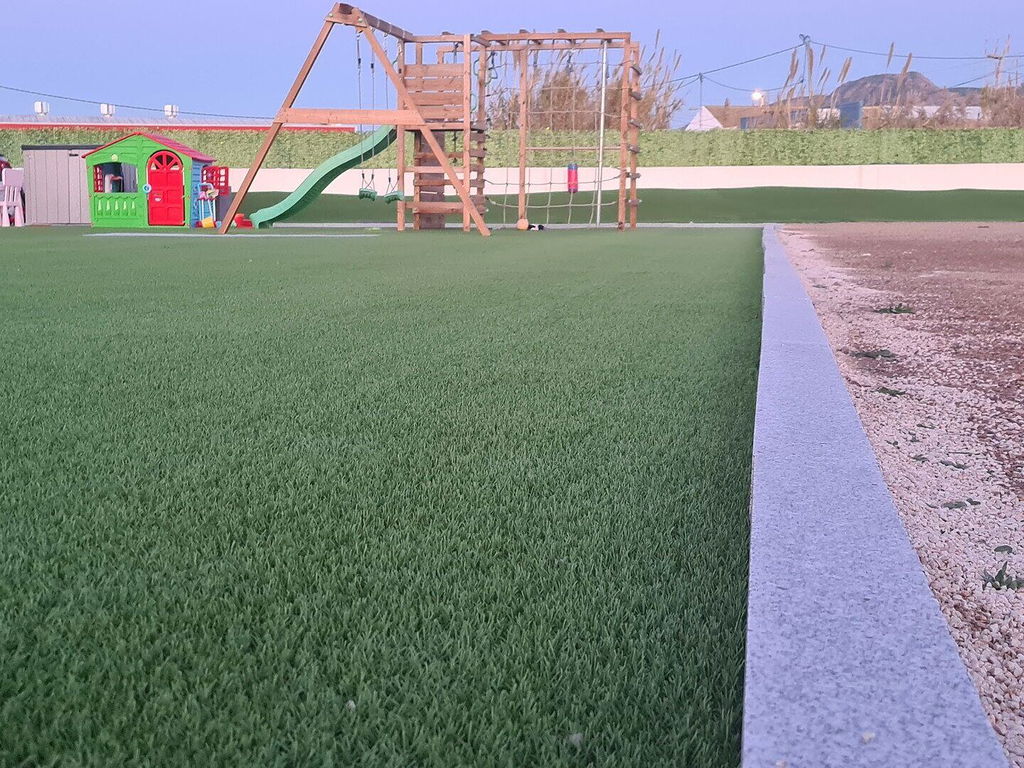
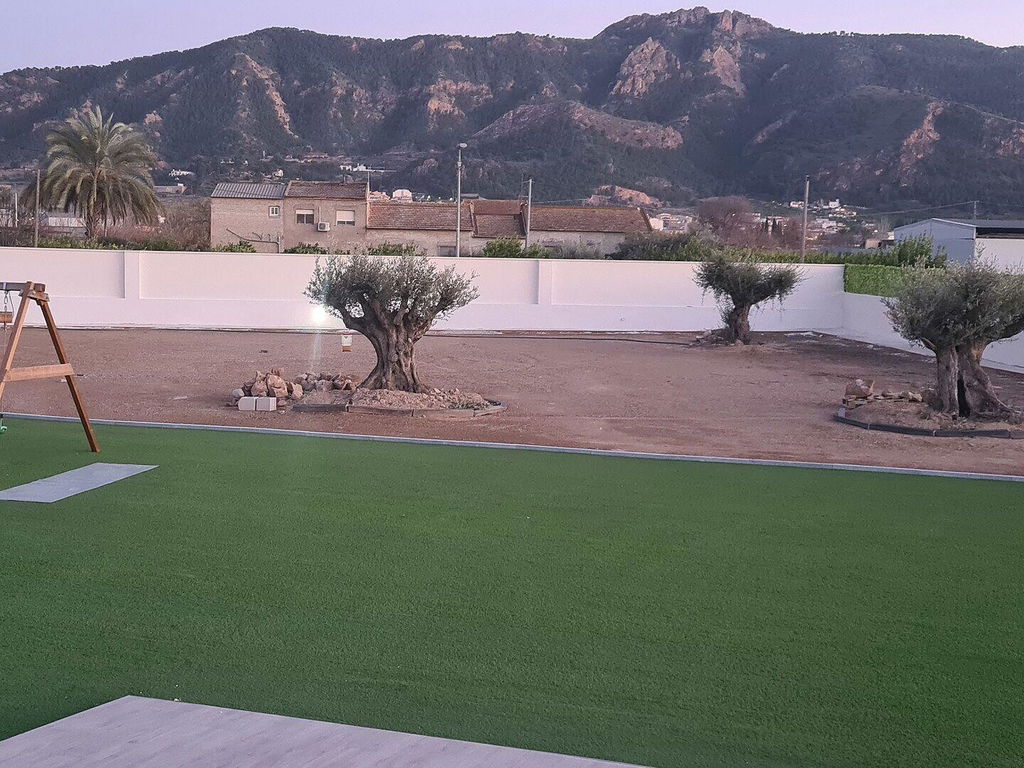
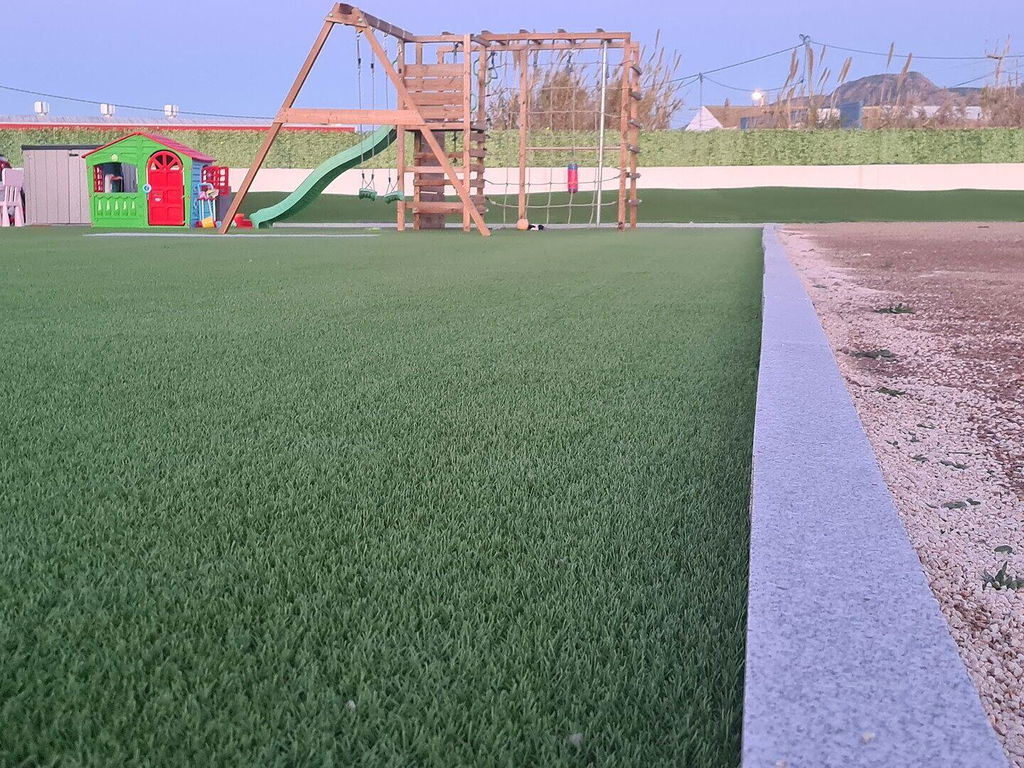
Granite border with 6 sawn faces, available in 100x10x6 cm. (16 kg.) it is a high-resistance product and a natural beauty of great character due to its light gray color with black flecks. It is a piece that can be handled by a single person.
Granite border stake
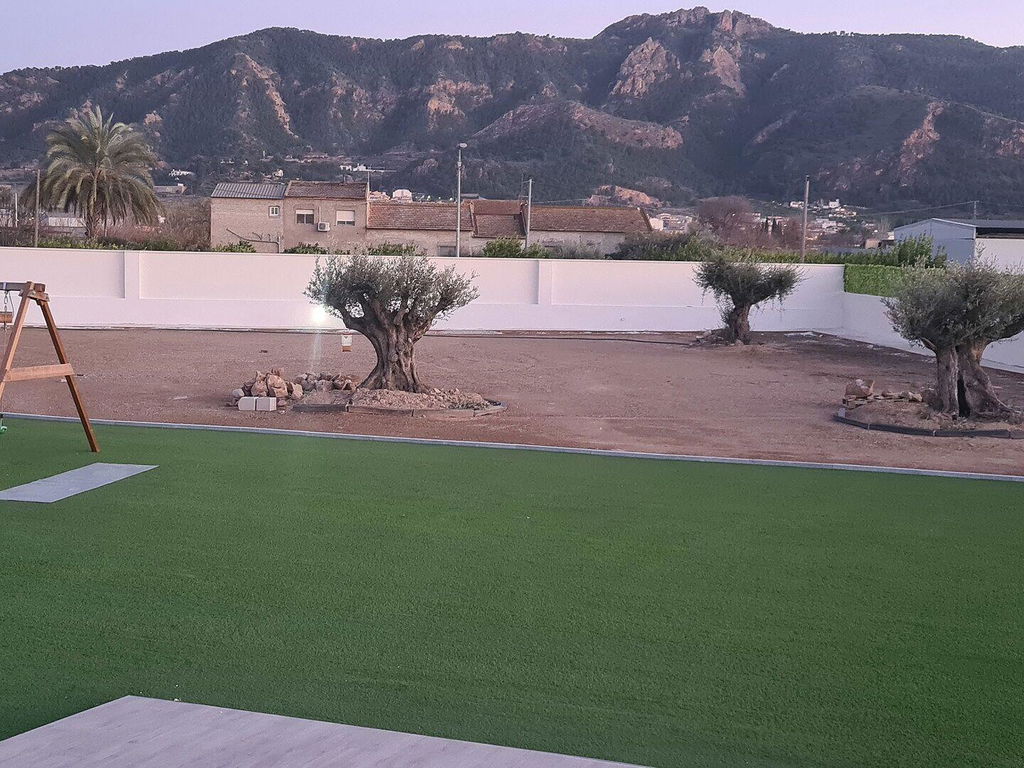
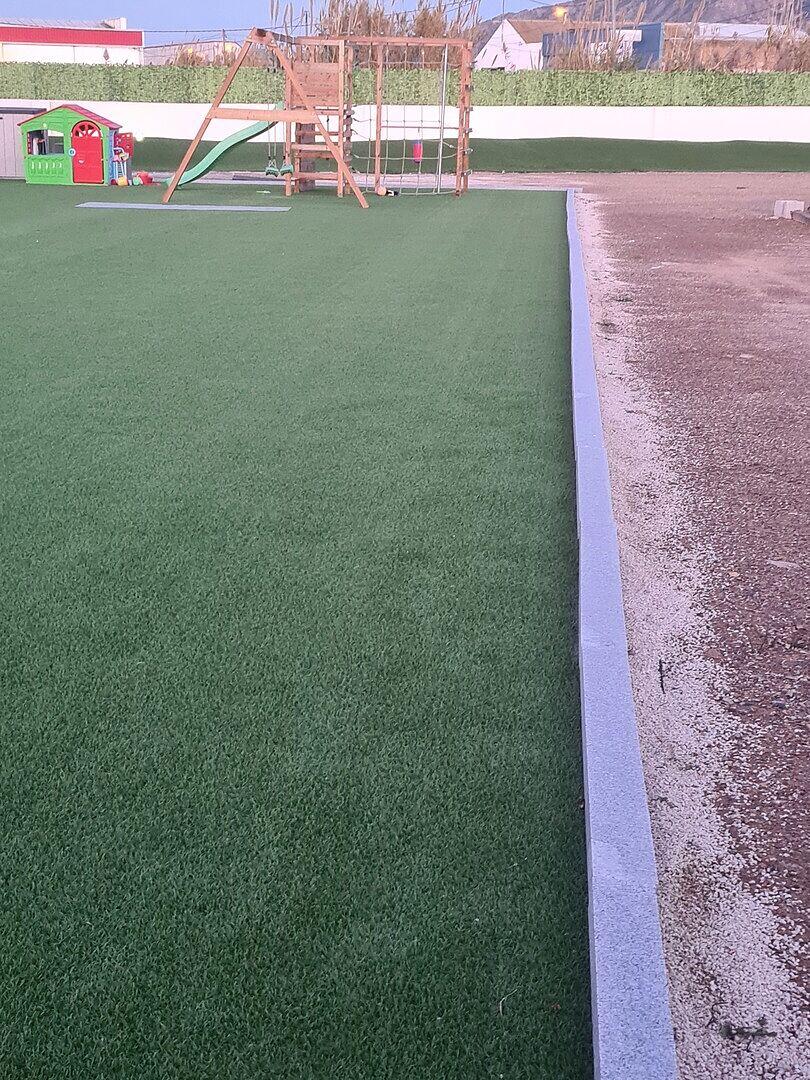
It is increasingly used to create separations between different areas in your garden, to mark out paths and trails, and also, placed vertically, to make small decorative fences, creating a truly original and spectacular effect.
Advantages of granite curb edging in the garden
High resistance and durability, it is a very compact natural stone so water and frost do not affect it.
Stable aesthetics, granite will not change over time.
Very simple installation. Just place it on the ground or on a bed of sand and it will not move.
Originality and contrast.
Naturally non-slip. Due to its texture it is a very non-slip surface, it does not need any type of treatment, you will not slip.
Frequently Asked Questions
¿Para qué se utiliza Bordillo Granito Bordura?
Se utiliza para delimitar zonas de jardín, como parterres, caminos o césped, marcando una separación clara y ordenada entre distintos materiales o superficies.
¿Cómo se instala?
Se instala enterrando parcialmente la pieza en una zanja con una base de hormigón o mortero, dejando visible la altura deseada sobre el nivel del suelo.
¿Es resistente a la intemperie?
Sí, es un material apto para exterior, resistente a la lluvia, el sol y las heladas.
¿Se puede cortar para ajustar la longitud?
Sí, se puede cortar con radial y disco adecuado para el material, para ajustarlo a la longitud necesaria.
¿Necesita mantenimiento especial?
No requiere mantenimiento especial. Con el tiempo es normal que adquiera una pátina natural propia de la intemperie.
5 stars: 15 (88%)
4 stars: 2 (12%)
3 stars: 0 (0%)
2 stars: 0 (0%)
1 star: 0 (0%)
A
Andreas P.
Buena calidad
Bordillo de granito de muy buena calidad. Exactamente igual que lo anunciado y con un envío excelente.
En mi caso, al apoyarlos sobre su cara más fina (6 cm), para conseguir una mayor altura (10 cm), decidí ponerlos sobre una cama de arena y pegarlos entre si. Esto aporta mayor estabilidad al conjunto y evita movimientos involuntarios.
Volveré a comprarlos!
A
Andreas P.
Buena calidad
Bordillo de granito de muy buena calidad. Exactamente igual que lo anunciado y con un envío excelente.
En mi caso, al apoyarlos sobre su cara más fina (6 cm), para conseguir una mayor altura (10 cm), decidí ponerlos sobre una cama de arena y pegarlos entre si. Esto aporta mayor estabilidad al conjunto y evita movimientos involuntarios.
Volveré a comprarlos!
E
EUGENIO B.
MUY CONTENTO
GRAN CALIDAD DEL PRODUCTO Y RAPIDEZ DE LA ENTREGA, PERO ME HE QUEDADO CORTO Y TENGO QUE PEDIR MAS
E
EUGENIO B.
MUY CONTENTO
GRAN CALIDAD DEL PRODUCTO Y RAPIDEZ DE LA ENTREGA, PERO ME HE QUEDADO CORTO Y TENGO QUE PEDIR MAS
P
Paulo Morais
Perfeito.
J
Javier Muñoz Contreras
Producto esperado
Producto esperado
J
Javier Mercadé Tello
Producto y servicio geniales.
Entrega rapidísima. Protección del pedido, perfecto. Calidad del producto, muy buena. No envío foto, por que no esta colocado, pero sin duda quedará muy bien ya que el producto es igual al de las fotos de la web.
I
Ian R.
EXCELLENCE
Excellent service . Great product. Reasonable prices!
This is my second order and Im ordering for a 3rd time now. Thank you, so easy to deal with such a professional company.
I
Ian R.
EXCELLENCE
Excellent service . Great product. Reasonable prices!
This is my second order and Im ordering for a 3rd time now. Thank you, so easy to deal with such a professional company.
J
José B.
Proceso de envío y recepción
Proceso de envío y recepción perfectos. Todo en orden.
J
José B.
Proceso de envío y recepción
Proceso de envío y recepción perfectos. Todo en orden.
f
felix l.
Todo perfecto., bordillo de buena
Todo perfecto., bordillo de buena calidad
f
felix l.
Todo perfecto., bordillo de buena
Todo perfecto., bordillo de buena calidad
O
Oscar I.
Producto OK, con algunas salvedades
Alguna piezas muestran imperfecciones en las aristas y grietas. Supongo que las grietas no irán a mas con los años.
O
Oscar I.
Producto OK, con algunas salvedades
Alguna piezas muestran imperfecciones en las aristas y grietas. Supongo que las grietas no irán a mas con los años.
N
Nacho E.
Buen producto
Muy contento con la compra. Excelente calidad y servicio. Envío rápido y muy protegido.
N
Nacho E.
Buen producto
Muy contento con la compra. Excelente calidad y servicio. Envío rápido y muy protegido.