


Cubre las jardineras con facilidad, retiene el agua y es muy grato a la vista.
How much stone do I need?
How much stone do I need for the ground?
For pebbles and gravel:
• ±80 kg per m², based on a 5 cm layer.*For grain sizes >32 mm a thicker layer is required.• Consumption per big bag: 1000 kg = 0.625 m³.
• Coverage: ±12.5 m² with a 5 cm layer.
For pine bark:
• ±70 L per m², based on a 5 cm layer.
• Consumption per big bag: 1000 L = ±1 m³ = ±600 kg
• Coverage: ±14 m² with a 5 cm layer.
For volcanic rock, slate and chamotte:
• ±50 kg per m², based on a 5 cm layer.
• Consumption per big bag: 1000 kg = ±1 m³
• Coverage: ±20 m² with a 5 cm layer
How much stone do I need to fill a gabion?
Density of ±1,650 kg per m³.
The calculation is easy to understand with an example: for a gabion measuring 100x50x30 cm, do the following:
1x0.5x0.3 = 0.15 m³
0.15x1,650 = 247.50 kg of stone.
*It is always a good idea to allow 5% extra, as gabions widen slightly when filled and always take a little more stone than the theoretical calculation.
Please note!
PLEASE NOTE! Before buying, read this information about gravel and pebbles
Grain sizes are sieve sizes, not exact measurements
When we talk about stone of, for example, 60-80 mm, we mean that the stones pass through an 80x80 mm square mesh and do not pass through a 60x60 mm one. A stone 100 mm long and 65 mm wide can easily pass through that 80x80 mesh, because the mesh sorts by the width of the stone as it passes through, not by its total length. That is why it is normal for a percentage of stones to have some dimension above 80 mm or below 60 mm.
Machines do not sort 100% accurately
In addition, no industrial sorting process is perfect: there is always a small percentage of stone which, due to speed, irregular shape or pieces overlapping on the belt, does not pass correctly through the corresponding mesh and slips into the grade, so stones larger than stated may occasionally appear. This is normal for this type of product and is not considered a defect.
Breakage of pebbles
In pebbles over 60 mm, up to 10% of the stones may break during sorting, washing, loading and unloading. We currently have no machinery that completely prevents this breakage. The product photos show only real pieces: broken pieces have not been removed.
Dust and sand in the product
This product is not washed, so it contains dust, sand and even traces of other materials from processing and transport. This is no problem for its use: the stone washes itself over time, or you can rinse it with water before use if you prefer.
Colour can vary considerably between batches
This is natural stone, and the colour changes from one batch to another, sometimes noticeably. This is especially important for multi-toned stones such as Blanco Rosa: some batches come out very white and others very pink, within the same product. If the exact shade is very important for your project, we recommend not buying this type of product online, as we cannot guarantee that the batch you receive will match the photo or a previous purchase.
Returns
Please bear in mind that returns, especially of 1,000 kg big bags, are usually complicated and expensive because of the weight and volume of the material. If the return is not due to an error on our part, the costs and arrangement of the return transport are borne by the customer.
Rounded Slate Pebble
Decorative Rounded Slate Pebble for Gardens
The decorative stone is the ideal option to beautify areas with trees and plants, as it not only retains moisture but also protects the soil. With a friendly appearance and touch thanks to its rounding, this gray/black stone fits perfectly in modern gardens and more classic projects.
One of its most notable features is that, due to its wet rounding, the slate does not lose its color tone. Additionally, being a non-porous stone, it will not generate green stains or dirt, unlike other more porous stones.
This is a novelty from 2021 that arose from our customers' requests. We are sure that this original and novel product will surprise your friends and family.
This stone is made from recycled material from slate rubble, which is then crushed and sorted. Next, it is artificially rounded; the rounding process is done wet to avoid losing the color tone and to ensure that the rounding is finer.
Available in various sizes: 6-12 mm, 12-40 mm and 40-110 mm, in bulk bag 1000 kg and in bags of 20 kg, this stone is especially valued for its gray/black color without veins or rust, which creates a high contrast with white and light gravels. It is perfect for modern buildings with white facades, helping to protect the health of your garden's soil and, therefore, your plants and trees.
Moreover, its friendly touch prevents dirt from penetrating it, keeping it new every time it rains.
Details to keep in mind:
- Due to its flat and slab-like shape, it is normal for this product to have small flakes stuck once washed and sorted.
- However, once placed in the garden and with a hose of water, the flakes will disappear forever.
J
Quedó preciosa, es muy original. Como es plana resulta cómoda al pisar. Es muy elegante, yo la puse en la entrada, aunque tenía dudas de si quedaría bien en un jardín que no fuese minimalista, tengo que decir que no me equivoqué. Además recibí el big bag bien embalado y en fecha, volveré a comprar.
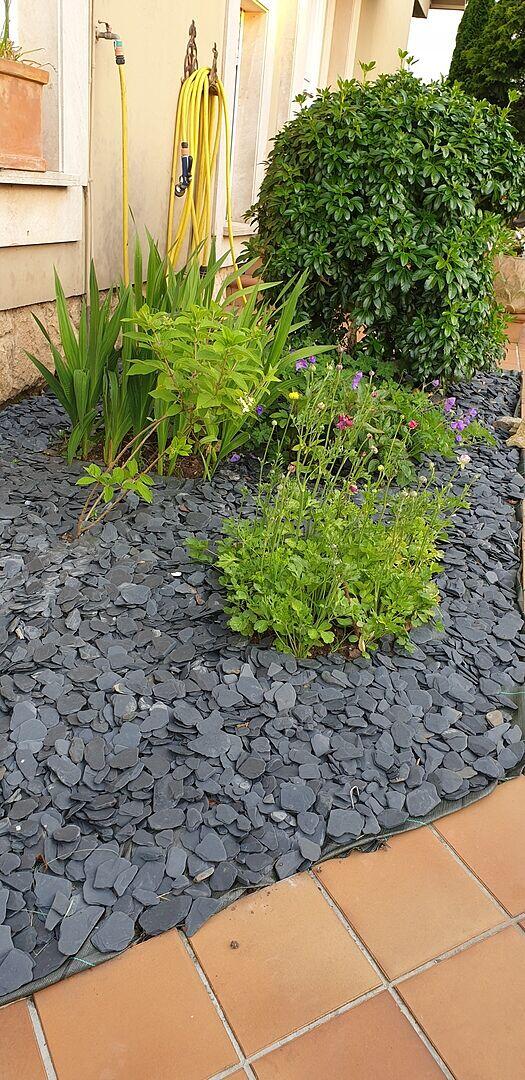
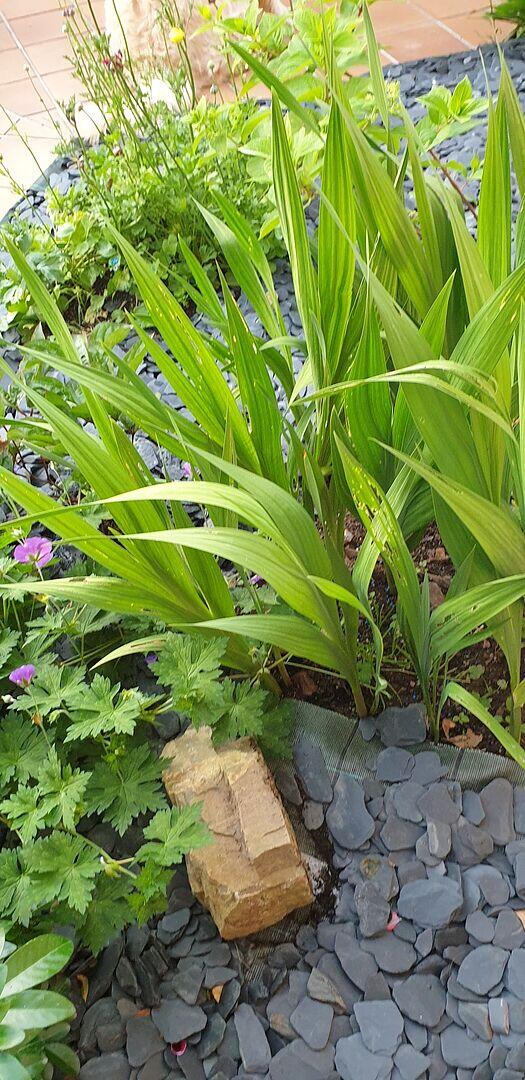
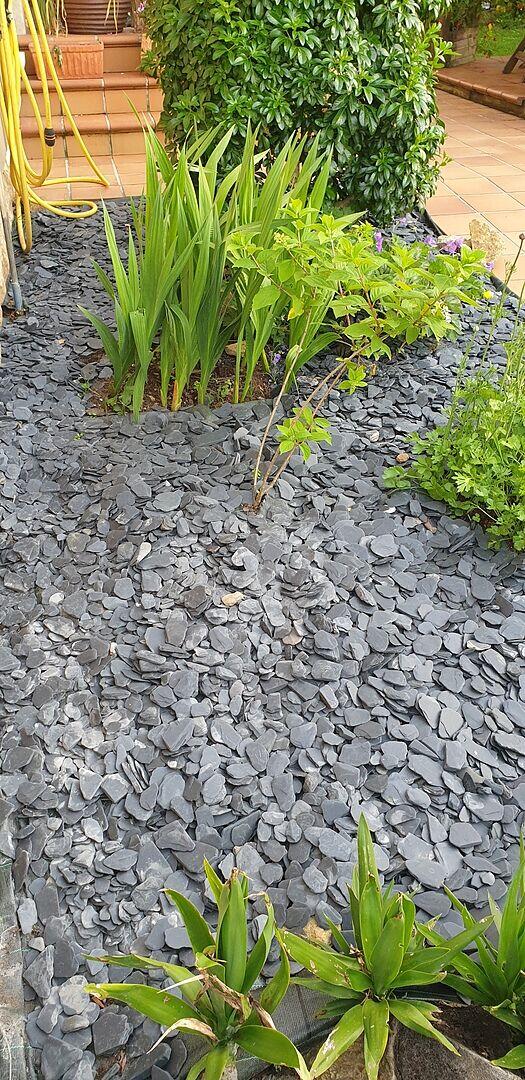
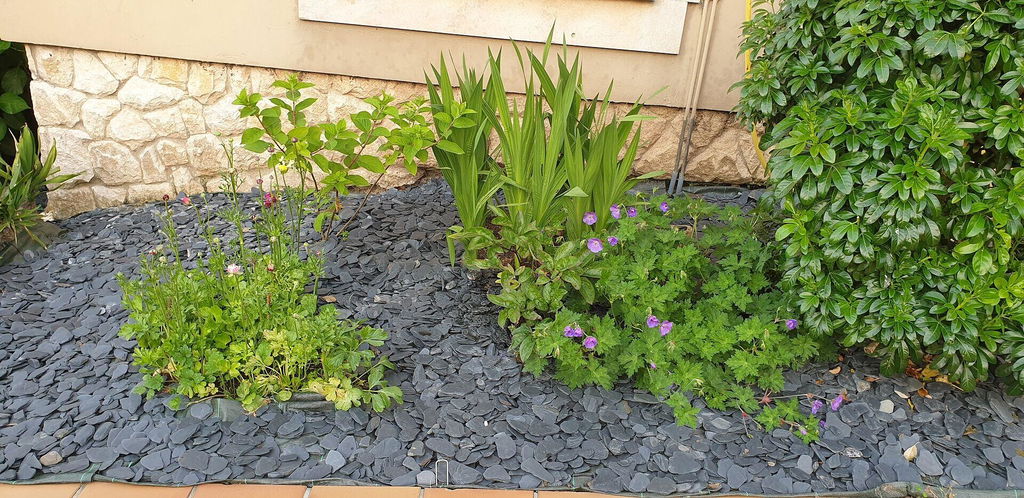
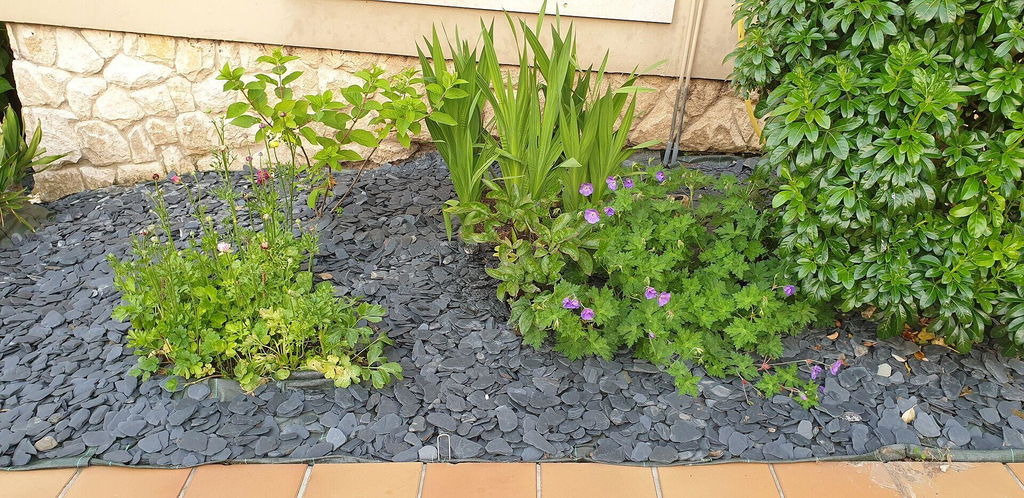
¡Te ha quedado espectacular Javier!
La verdad es que es una piedra que combina muy bien con cualquier decoración gracias a su elegante naturaleza. !Disfruta tu jardín! Un saludo.
J
Quedó preciosa, es muy original. Como es plana resulta cómoda al pisar. Es muy elegante, yo la puse en la entrada, aunque tenía dudas de si quedaría bien en un jardín que no fuese minimalista, tengo que decir que no me equivoqué. Además recibí el big bag bien embalado y en fecha, volveré a comprar.
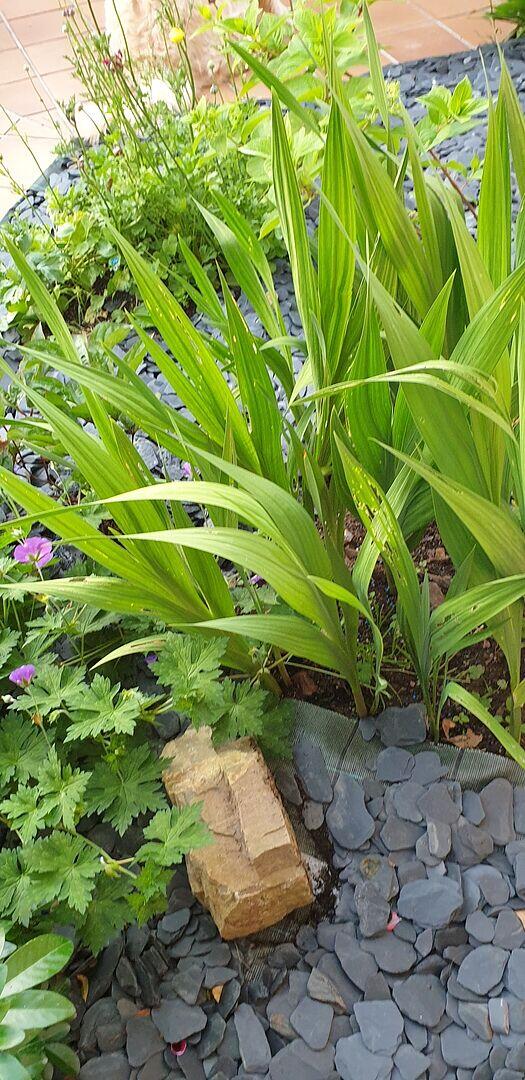
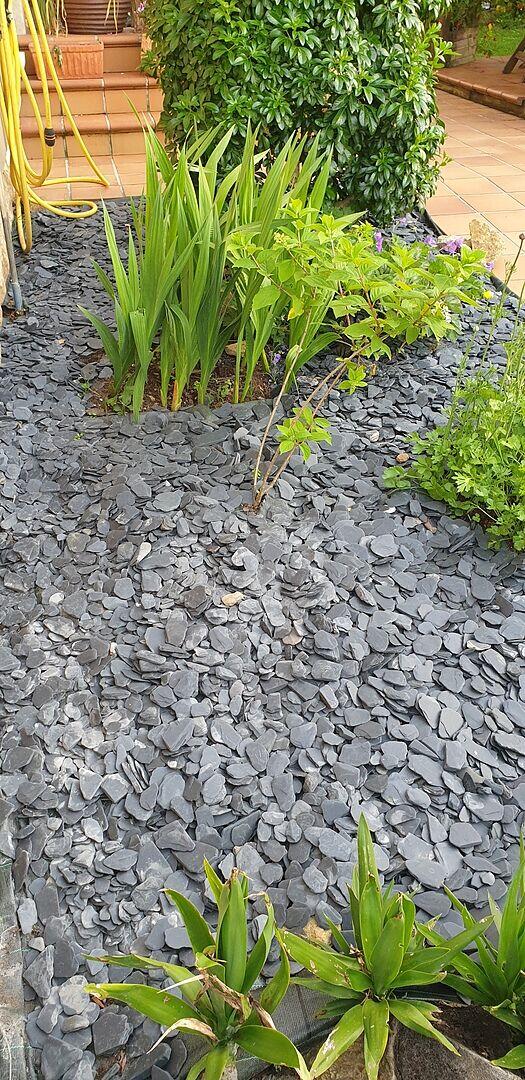
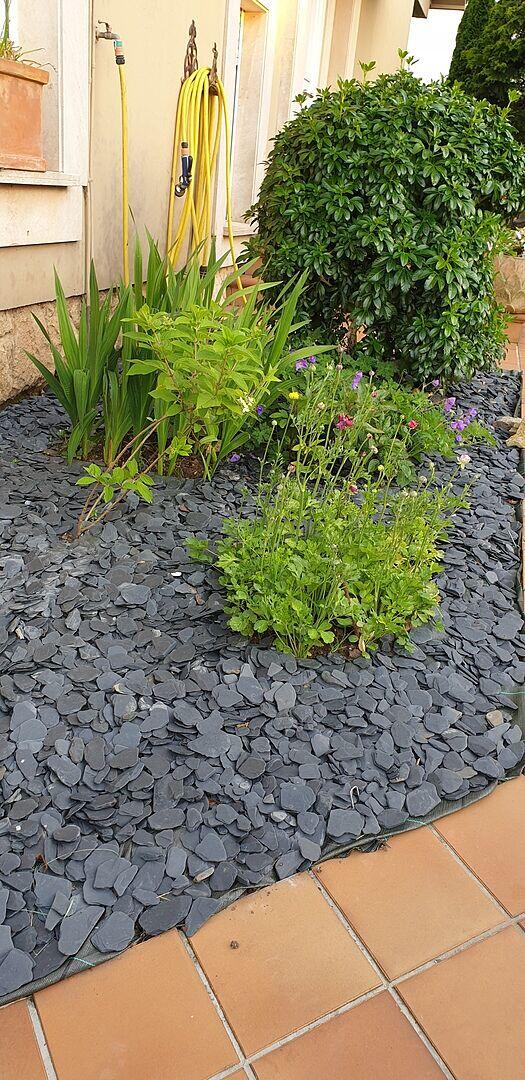
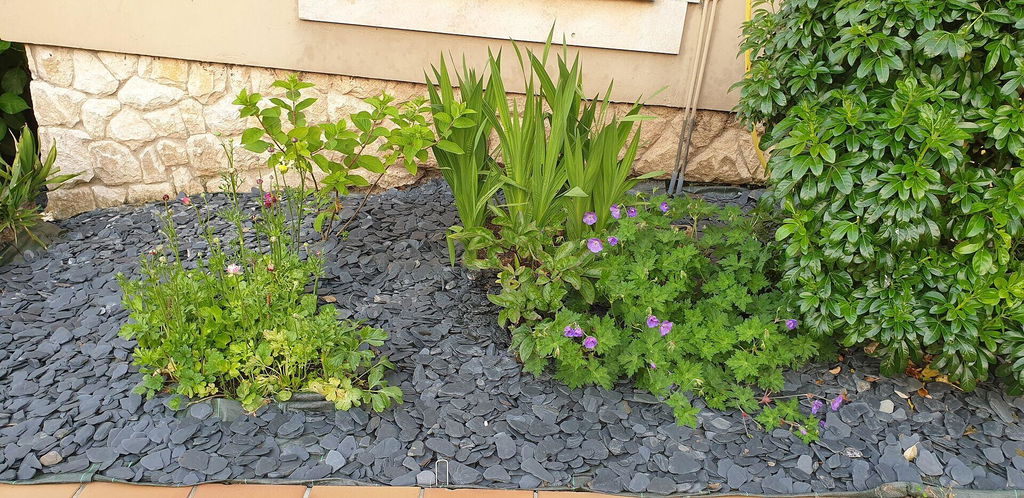
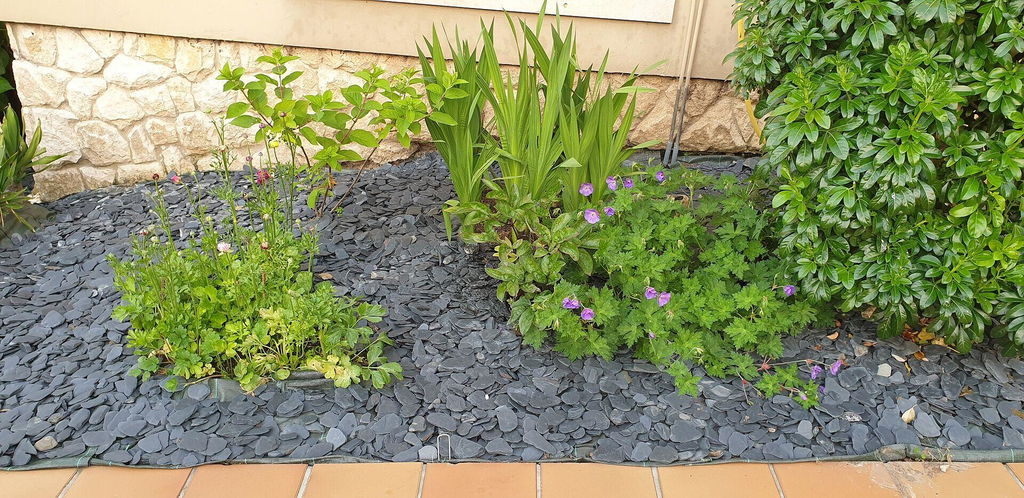
¡Te ha quedado espectacular Javier!
La verdad es que es una piedra que combina muy bien con cualquier decoración gracias a su elegante naturaleza. !Disfruta tu jardín! Un saludo.
J
La piedra es bonita, plana, negra. Bien para el uso que le he dado
P
Todo ha sido perfecto. Desde la compra has la entrega.
P
Todo ha sido perfecto. Desde la compra has la entrega.
C
Llegado rápidamente, precio correcto.
Gracias
C
Llegado rápidamente, precio correcto.
Gracias
M
Es preciosa viene laminada
M
Es preciosa viene laminada
I
Piedra espectacular queda muy bonita
I
Piedra espectacular queda muy bonita
O
Junto al bordillo separador de pizarra queda muy bien
O
Junto al bordillo separador de pizarra queda muy bien
Frequently asked questions about gravel, pebbles and decorative stone
¿Qué diferencia hay con la pizarra triturada?
El redondeo: esta pizarra está redondeada, con un tacto amable y sin aristas, y su gris/negro no pierde tono en mojado.
¿Genera verdines o suciedad?
No: al ser una piedra no porosa no se incrustan verdines ni suciedad, a diferencia de piedras más porosas.
¿Qué medidas hay?
6-12 mm, 12-40 mm y 40-110 mm, esta última muy decorativa para zonas de plantas y grandes contrastes.
¿Cuánta cantidad necesito por metro cuadrado?
Al ser un material ligero cunde más que una grava convencional: calcula unos 50 kg por m² para una capa de 5 cm. Un big bag de 1.000 kg cubre alrededor de 20 m².
¿Qué granulometría elijo?
Hay 3 medidas: 6-12 mm, 12-40 mm, 40-110 mm. Para zonas de paso y estabilizadores de grava elige la más fina; las medias decoran parterres y alcorques, y las gruesas son puramente decorativas o para gaviones, no para pisar.
¿En qué formatos se vende?
En Saco 20 kg, Big bag 1.000 kg. El transporte te deja el palet o big bag en la puerta de casa.
¿Hace falta malla antihierbas debajo?
Sí, muy recomendable: una malla o geotextil antihierbas bajo la piedra evita que salgan malas hierbas y facilita el mantenimiento durante años.