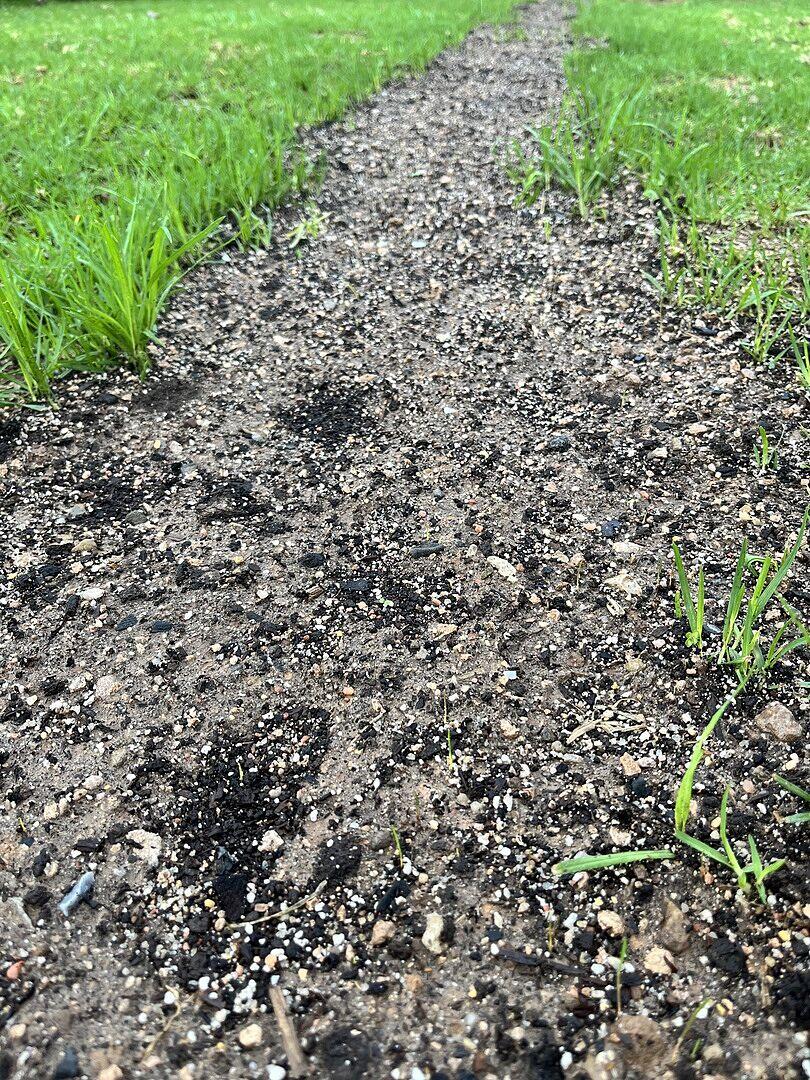
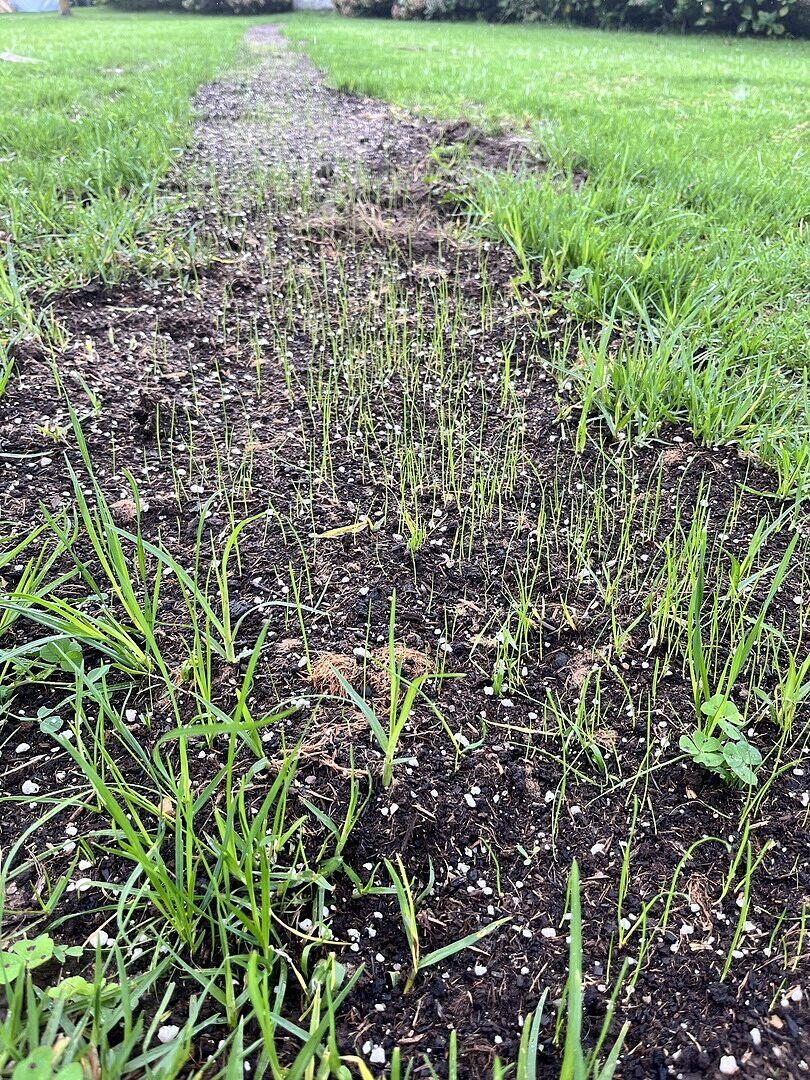
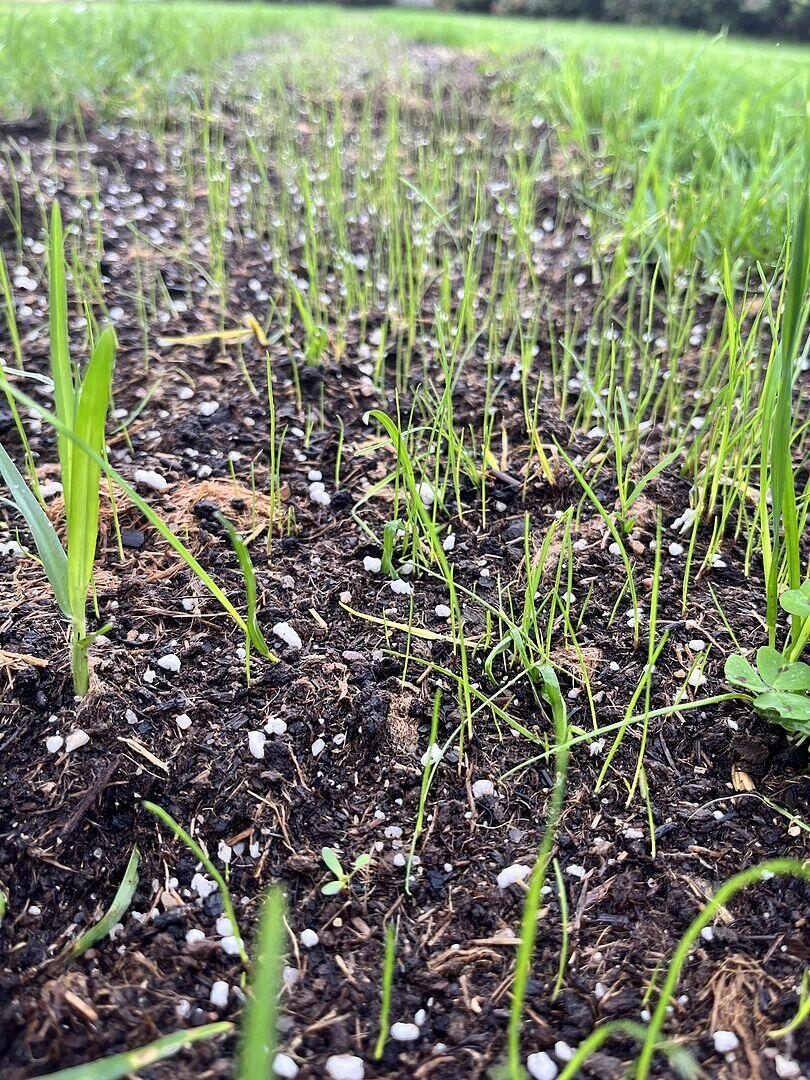
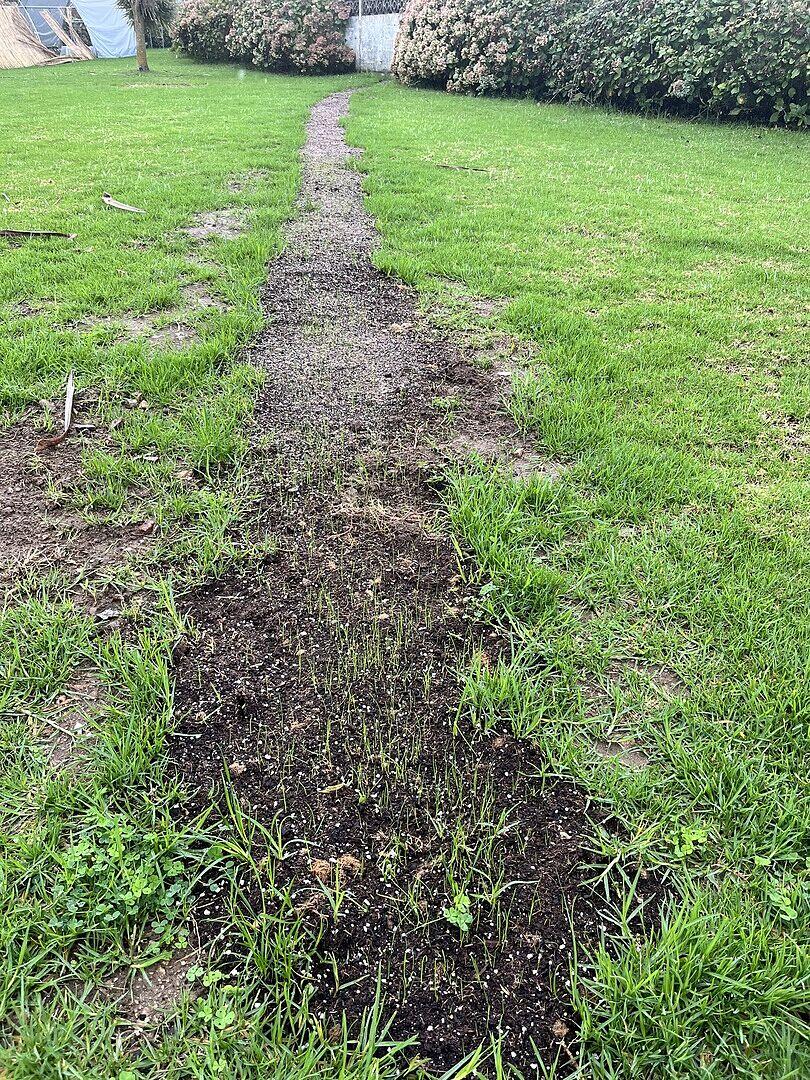
Valued Natural Soil: This soil provides a solid and nutritious base. Being valued, it ensures a uniform granulation and facilitates handling.
Aged Mushroom Compost: This compost offers decomposing organic matter, which improves soil structure and provides essential nutrients for the grass.
Silica Sand: The sand improves drainage and prevents soil compaction, essential for healthy grass growth.
Features and Benefits:
Economy and Quality: A balanced mix that offers the essentials for grass at an affordable cost.
Improvement of Soil Structure: The combination promotes good drainage and aeration, vital for grass roots.
Balanced Nutrition: The compost provides organic nutrients that feed the grass over an extended period.
Easy to Use: Ideal for amateur and professional gardeners alike, this substrate is easy to spread and integrates well with the existing soil.
Application:
Distribute a layer of approximately 5-10 cm over the surface of the area where the grass will be sown.
Lightly mix with the top layer of the existing soil.
Proceed to sow the grass according to the specific instructions of the chosen seed.
Available Presentations:
Big Bag: 1,000 liters
Bulk for large projects
This substrate is an ideal option for those looking for a practical and cost-effective solution for maintaining and establishing grass in residential gardens. Its balanced composition ensures healthy grass growth with minimal maintenance.
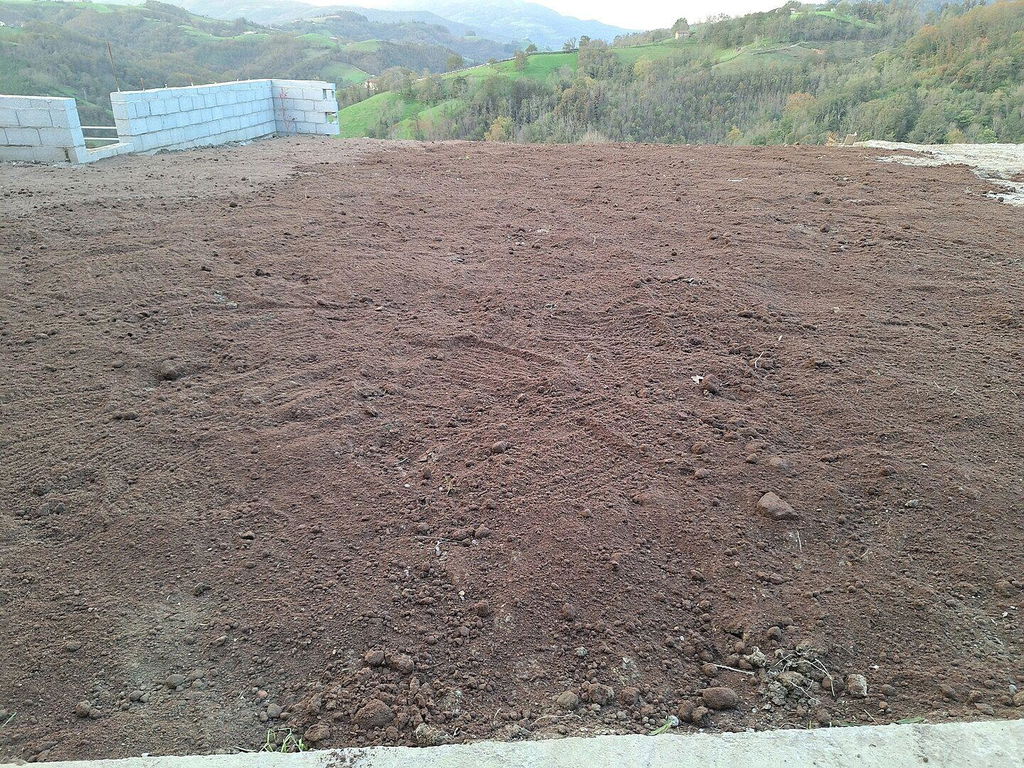
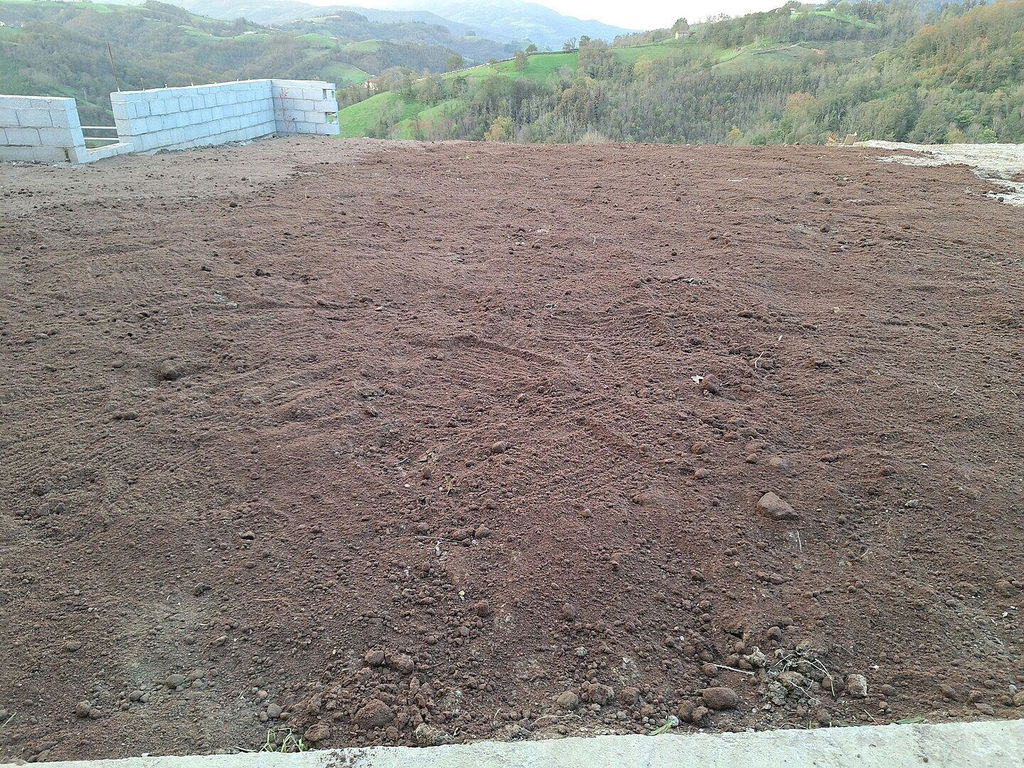
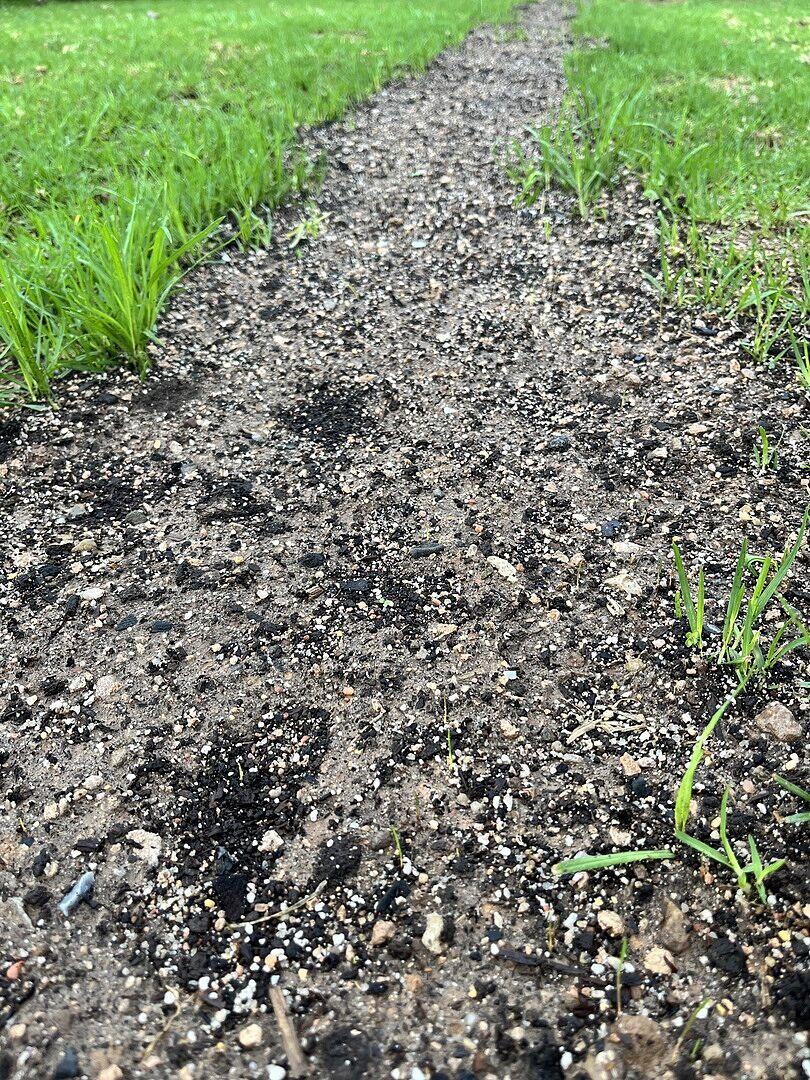
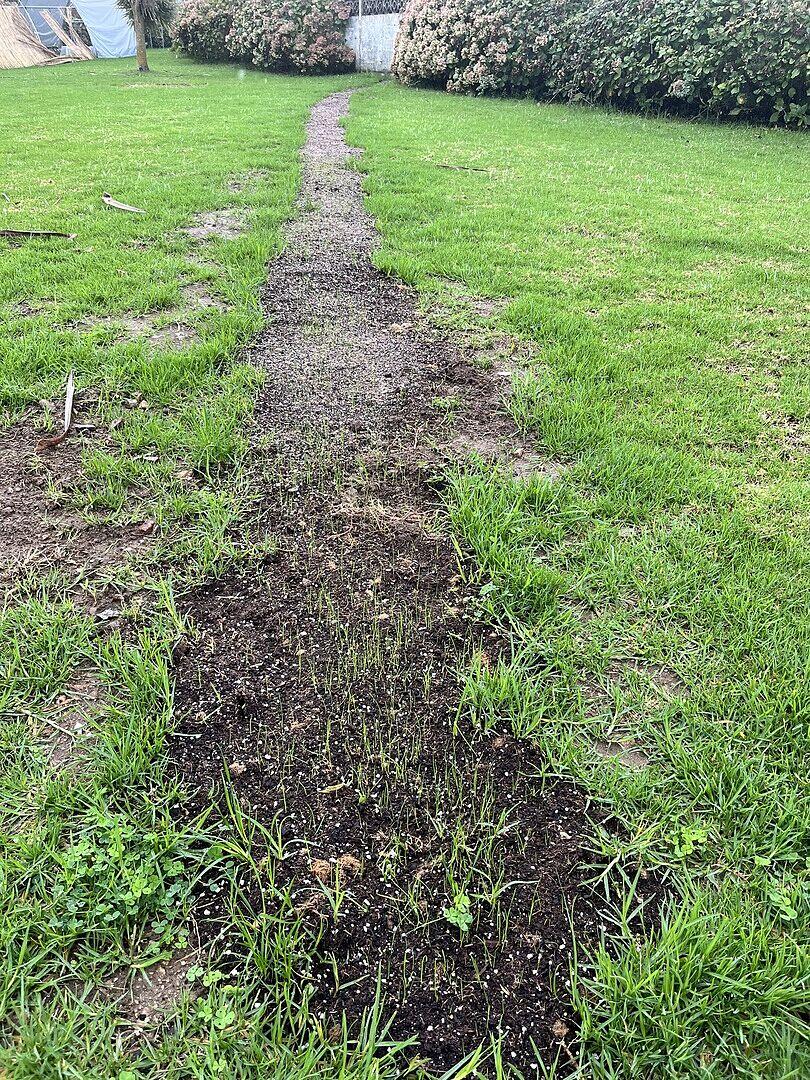
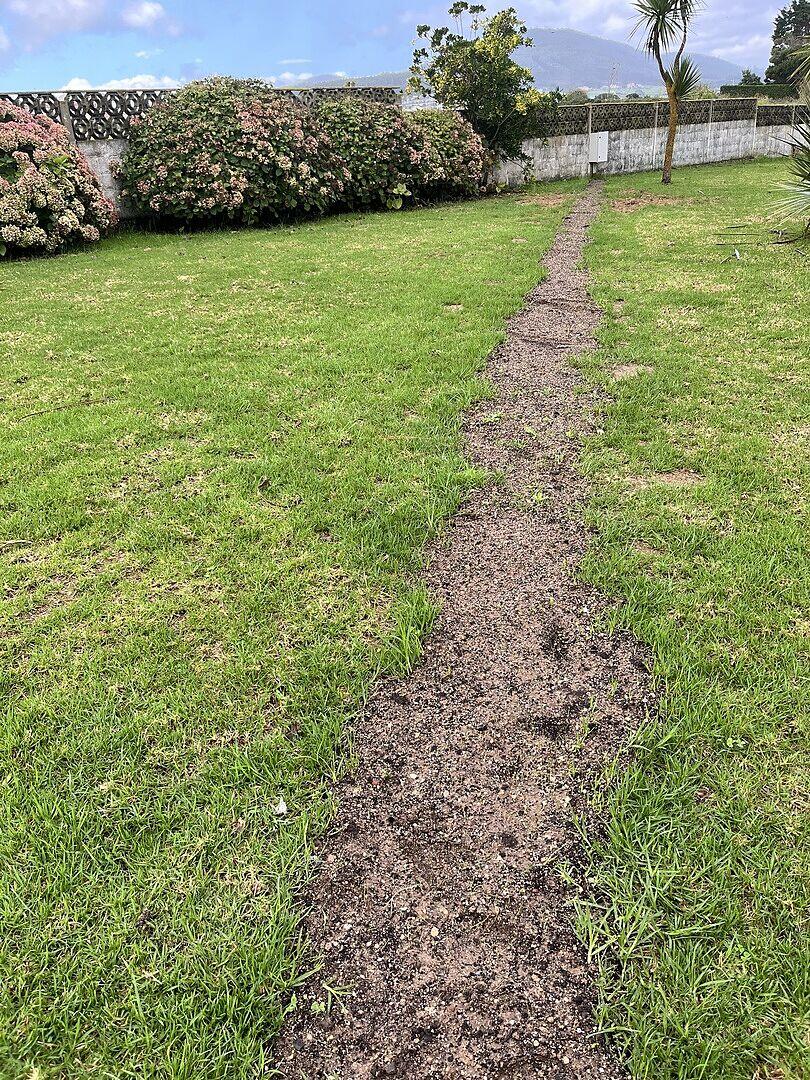
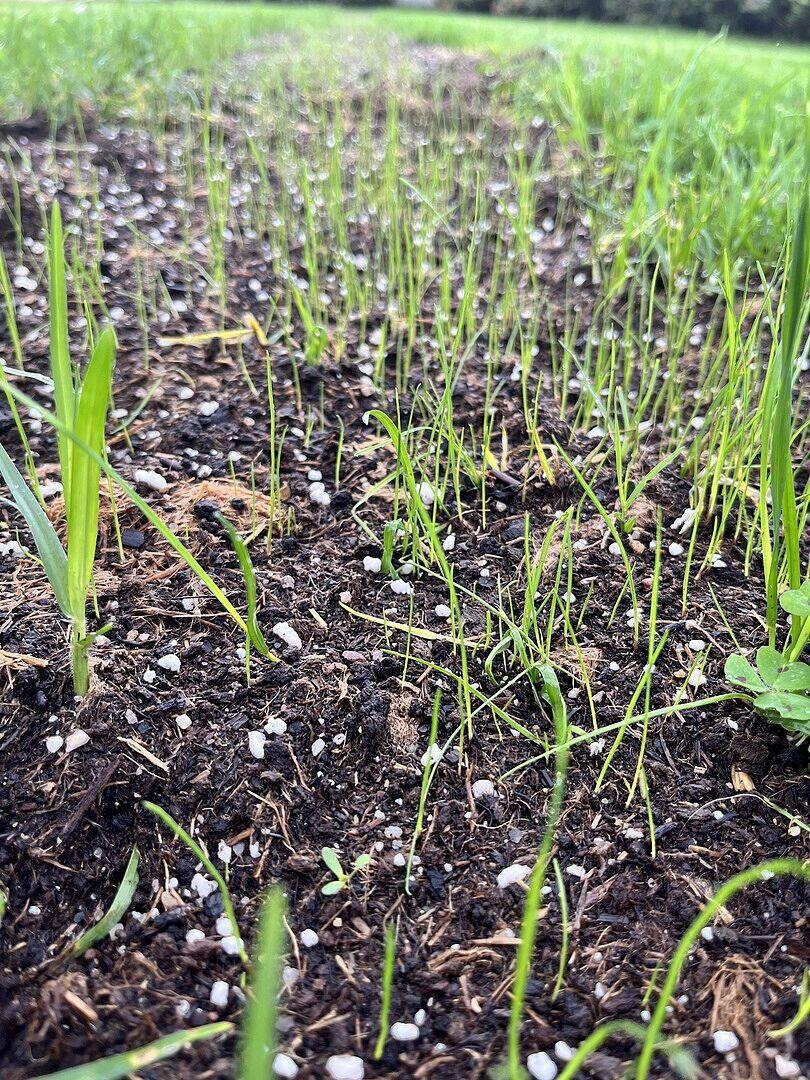
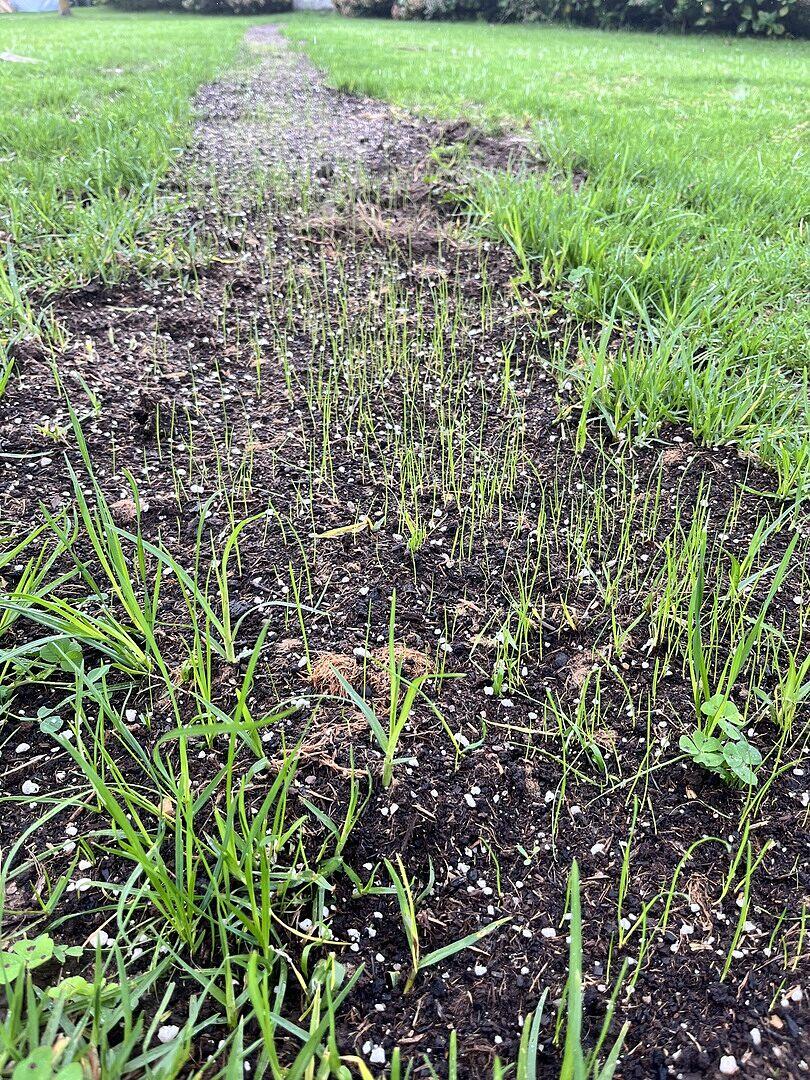
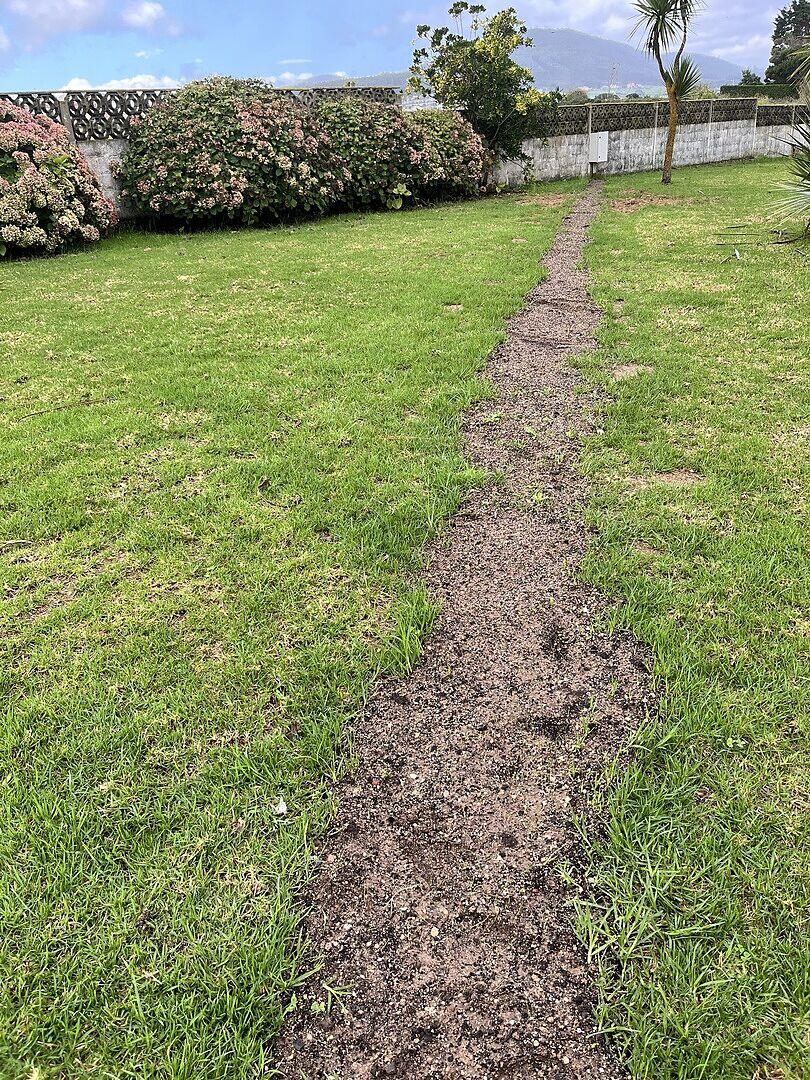
Muy profesionales, siempre compro en Vetonek. El sustrato es de buena calidad, acabo de extenderlo en el jardín y tiene muy buena pinta, solo queda esperar. . .
A
Almudena G.
Tierra para jardin
Buena tierra para jardin, llegó sobre lo previsto y se agradece que el transportista llamase antes de la entrega.
A
Almudena G.
Tierra para jardin
Buena tierra para jardin, llegó sobre lo previsto y se agradece que el transportista llamase antes de la entrega.
J
JESUS P.
Sustrato perfecto para el césped
Calidad precio inmejorable. La entrega fue muy rápida y la atención inmejorable. Además me enviaron muestras de pavicesped de forma gratuita.
Repetiré sin duda!
J
JESUS P.
Sustrato perfecto para el césped
Calidad precio inmejorable. La entrega fue muy rápida y la atención inmejorable. Además me enviaron muestras de pavicesped de forma gratuita.
Repetiré sin duda!
Reviews in Other Languages
5 stars: 5 (100%)
4 stars: 0 (0%)
3 stars: 0 (0%)
2 stars: 0 (0%)
1 star: 0 (0%)
A
Almudena G.
Tierra para jardin
Buena tierra para jardin, llegó sobre lo previsto y se agradece que el transportista llamase antes de la entrega.
A
Almudena G.
Tierra para jardin
Buena tierra para jardin, llegó sobre lo previsto y se agradece que el transportista llamase antes de la entrega.
J
JESUS P.
Sustrato perfecto para el césped
Calidad precio inmejorable. La entrega fue muy rápida y la atención inmejorable. Además me enviaron muestras de pavicesped de forma gratuita.
Repetiré sin duda!
J
JESUS P.
Sustrato perfecto para el césped
Calidad precio inmejorable. La entrega fue muy rápida y la atención inmejorable. Además me enviaron muestras de pavicesped de forma gratuita.
Repetiré sin duda!
S
Sergio García Sanchez
Muy profesionales, siempre compro en
Muy profesionales, siempre compro en Vetonek. El sustrato es de buena calidad, acabo de extenderlo en el jardín y tiene muy buena pinta, solo queda esperar. . .