Special substrate acidophilic plants

3,95 €
3,95 €
Tax included. Shipping calculated at checkout.
Container

¿Cuanto material necesitas?

¿Cuanto material necesitas?

+ info

Longitud de una superficie rectangular que quieras cubrir. Puedes indicar también directamente el área.

+ info

Anchura de una superficie rectangular que quieras cubrir. Puedes indicar también directamente el área.

Si conoces el área, puedes ingresarla directamente en metros cuadrados. Si no, el área se calculará automáticamente con el largo y el ancho.

+ info

Profundidad de la capa de material deseada en centímetros. No se recomienda una capa inferior a 5 cm.

+ info

Selecciona el tipo de material para calcular la densidad en kg/m³.

RESULTADO (KG)

How much stone do I need?

How much stone do I need for the ground?

For shot and gravel song:
• ± 80kg per m², based on a 5cm layer.*For granulometries> 32mm a thicker layer is necessary.• Saca consumption: 1000kg = 0.625m³.
• Covering capacity: ± 12.5m² with a layer of 5 cm.

For pine cortex:
• ± 70L per m², based on a 5cm layer.
• Saca consumption: 1000L = ± 1m³ = ± 600kg
• Covering capacity: ± 14m² with a layer of 5 cm.

For volcanic, slate and chamota:
• ± 50kg per m², based on a 5cm layer.
• Saca consumption: 1000kg = ± 1m³
• Covering capacity: ± 20m² with a layer of 5 cm

How much stone do I need to fill a gabion?

Density of ± 1,650kg by 1m³.

The calculation is very simple to understand with an example, if you have a 100x50x30 cm gav. You have to make the following accounts:
1x0.5x0,3 = 0.15m³
0.15x1,650 = 247.50kg. stone.
*It is always good to calculate an extra 5%, since the gavions when filling them are a little and always enters some more stone than in the theoretical calculations.

Clarifications

ATTENTION!

Granulometries are sizes of sizes

Real sizes can vary slightly, since when talking, for example, 60-80mm stone, it means that the stones pass through a square mesh of 80x80mm. and do not go through a 60x60mm.
This 80x80 mesh can pass a 100mm stone. long and 65mm. wide so there may be a percentage of stones greater than 80 and less than 60mm.

Broken stones

On the other hand, in the stones of more than 60mm. There is a percentage of up to 10% stones that can be broken during classification, washing, loading and downloading, today we have no machinery that avoids those breaks.

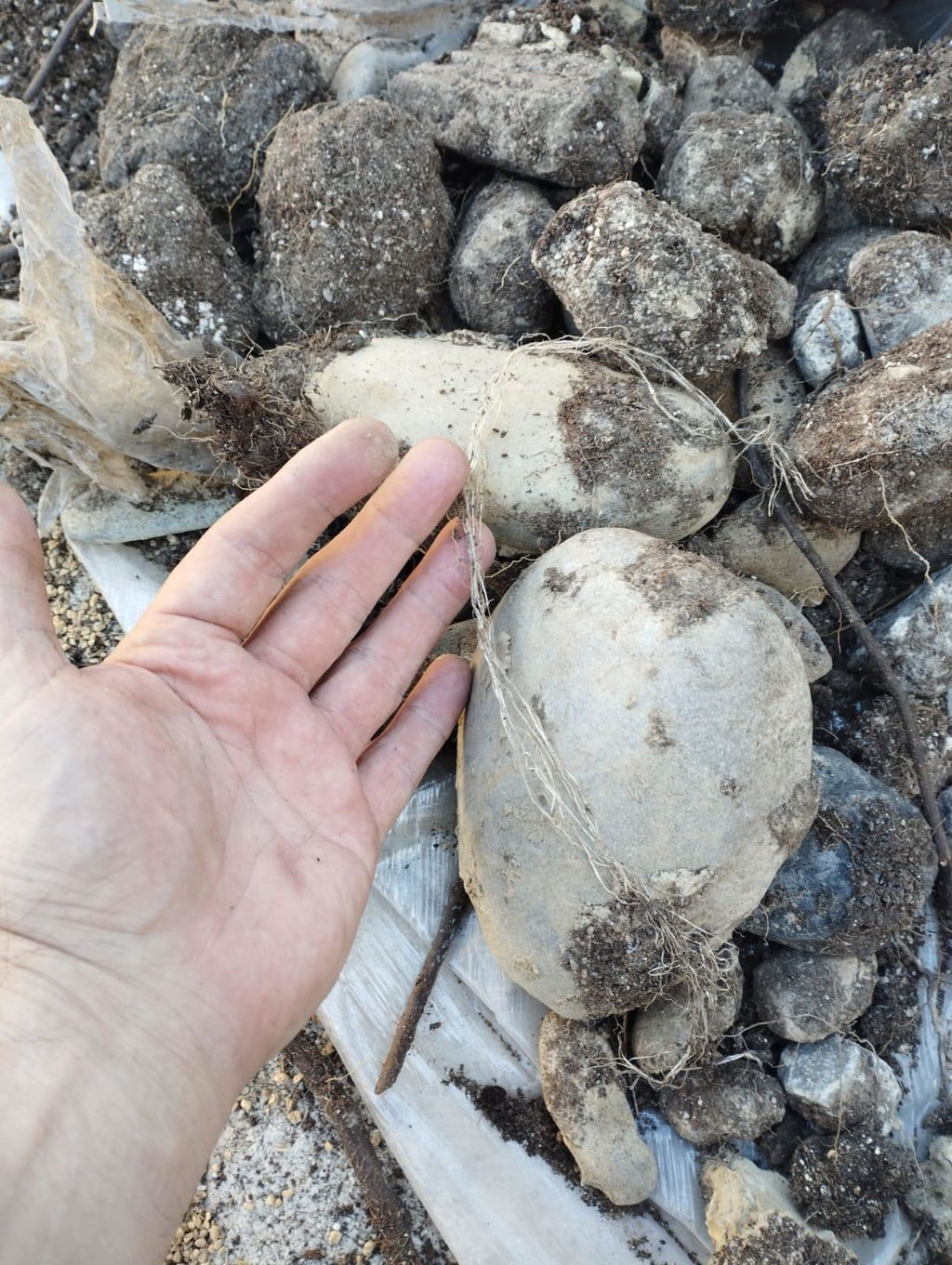
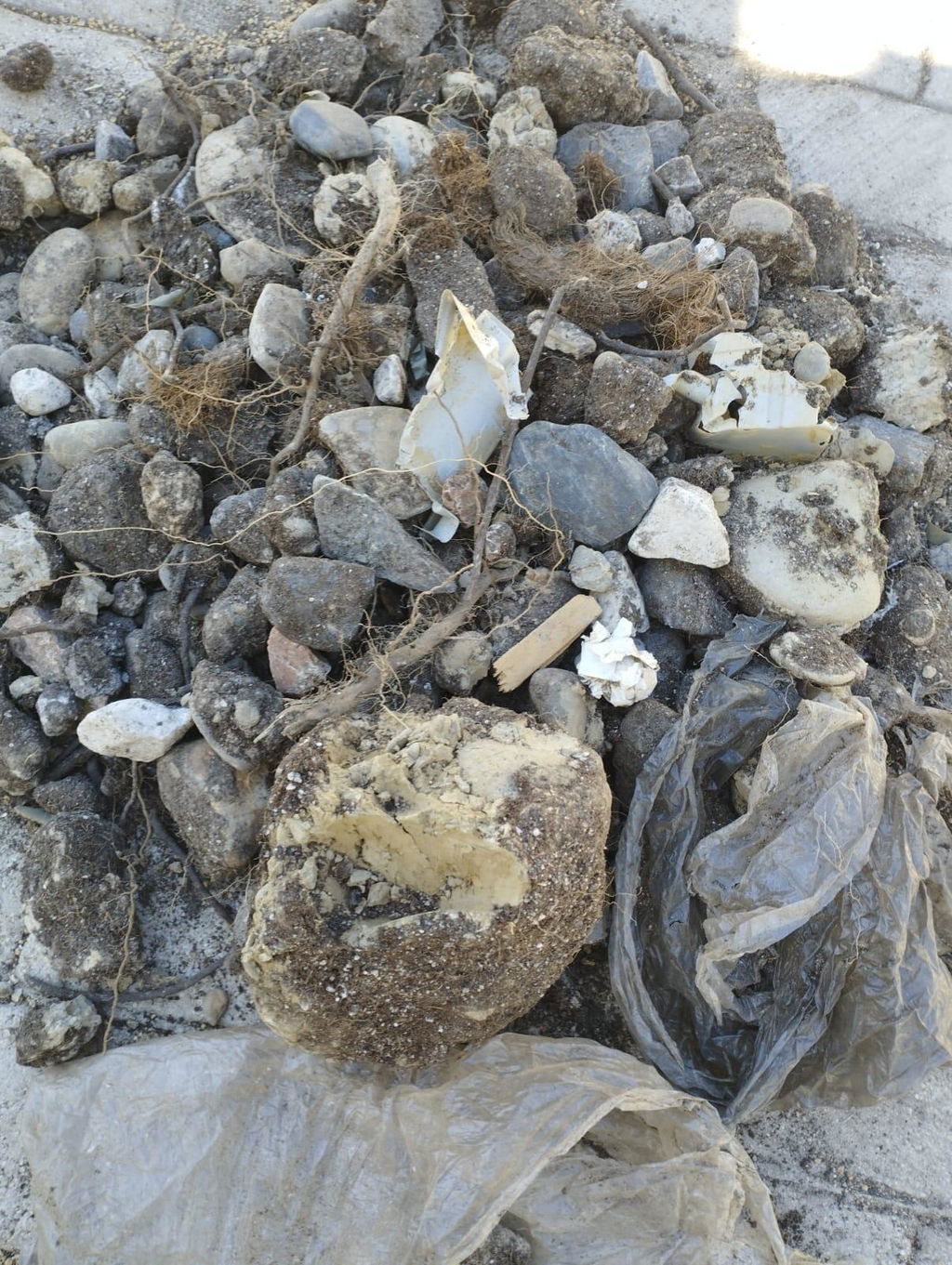
In the photos you can see, only real products are seen, broken pieces have been removed.

Dust and sand in products

This product is not washed, so it contains dust, sand and even traces of other products due to processing and transport. This is not a problem when using it; The stone will be washed alone over time or can throw water before using it.

Special substrate acidophilic plants

Special substrate for mineravi acidophilic plants

Components and proportions:

  1. Acid blonde peat: It provides a natural acid pH, ideal for acidophilic plants. It favors roots formation and maintains the necessary humidity.
  2. Coconut substrate: Increase porosity and water retention capacity, improving the aeration of the substrate.
  3. Lombriz humus: It enriches with organic nutrients, improving soil structure and facilitating nutrient absorption.
  4. Perlita: Improves aeration and drainage, avoiding substrate compaction.
  5. Silica sand: It helps avoid excessive compaction, maintaining a loose structure and facilitating drainage.

Characteristics and benefits:

  • Ideal acid pH: With a pH range between 4.5 and 5.5, it is perfect for the growth of plants such as hydrangeas, camelias, azaleas, rhododendros, among others.
  • Rich in organic matter: It offers excellent nutrition for the growth and flowering of acidophilic plants.
  • Good moisture retention: The combination of blonde peat and coconut substrate ensures excellent water retention, essential for rainy climates plants.
  • Optimal aeration: The perlite and silica sand guarantee a good air circulation in the roots.
  • Favors root development: It promotes strong and healthy roots, essential for the vigorous growth of acidophilic plants.

Use and application: This substrate is ideal for the cultivation and maintenance of acidophilic plants. It can be used both in pots and in outdoor gardens. When planting, place a generous substrate layer at the bottom of the container or in the plantation area, ensuring that the roots have direct contact with the substrate. Water after planting to settle the substrate and maintain constant humidity.

Available presentations:

  • 15 -liter bag
  • Big Bag of 1,000 liters

This special substrate from Mineravi is the perfect basis to enjoy the beauty and health of its acidophilic plants, providing an ideal and sustainable culture environment.